The Horse's Lawyer
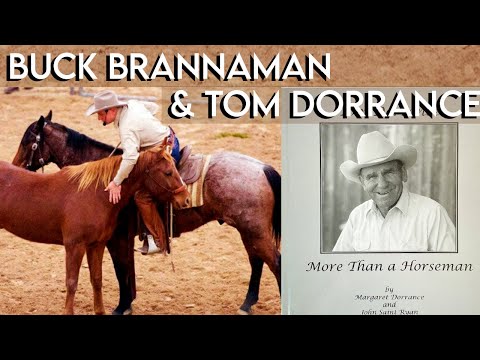
Tom Dorrance is widely regarded as one of the most influential horsemen in modern horsemanship and is often considered a founding figure of what later became known as the natural horsemanship movement. Through his quiet approach, deep understanding of horses, and emphasis on communication rather than force, Dorrance changed the way many riders, trainers, ranchers, and clinicians approached horse training. His teachings influenced generations of respected horsemen including Ray Hunt, Buck Brannaman, and countless others throughout the horse industry.
Wallowa Mountains Ranch Boy
Tom Dorrance was born on May 11, 1910, near Joseph, Oregon, and grew up on a cattle ranch in the Wallowa Mountains. He was raised in a traditional ranching environment where horses were essential for daily work. Along with his brothers, including fellow horseman Bill Dorrance, Tom learned practical horsemanship through ranch life — handling cattle, riding colts, and observing horses in natural settings.
From an early age, Dorrance paid close attention to horse behavior and movement. Rather than relying solely on force or rigid methods, he became interested in understanding how horses thought and responded. He spent years observing horses interacting naturally in herds and developed the belief that successful horsemanship required communication, feel, timing, and understanding the horse's perspective.
After remaining on the family ranch for many years helping care for his parents and the ranch operation, Dorrance eventually began traveling throughout the western United States in the 1960s, sharing his ideas and helping people with horse problems.
Feel, Timing, and True Unity
Unlike many trainers of the period, Dorrance did not present a strict system or formula. Instead, he encouraged horsemen to observe carefully, remain patient, and adapt to the individual horse. His teaching style centered around helping riders feel what the horse was experiencing — mentally and physically.
Dorrance's methods emphasized softness, patience, and timing. He discouraged aggressive training methods and believed horses learned best when they felt safe and understood. His ideas extended across reining, cutting, reined cow horse, ranch horse training, and general horsemanship.
True Unity: The Book That Preserved His Teachings
Although Dorrance never sought fame or commercial success, his reputation steadily spread among ranchers, trainers, veterinarians, and competitors. Many respected western performance horse trainers began studying with him and incorporating his principles into their own programs.
Tom Dorrance passed away on June 11, 2003, but his influence remains deeply rooted throughout the horse industry. His teachings continue to shape modern horsemanship, particularly among trainers who value partnership, communication, and understanding between horse and rider.
Awards and Acknowledgments
- NRCHA Vaquero Award – 1994
- AAEP Lavin Cup – 1999, for compassion and contributions to horse welfare
- Chester A. Reynolds Memorial Award – 1995 · National Cowboy & Western Heritage Museum
- Mentor to Ray Hunt, Buck Brannaman, and generations of western horsemen
- Author of True Unity: Willing Communication Between Horse and Human