Rate — the horse's ability to adjust his speed and collect his balance in the strides approaching the barrel and then accelerate powerfully out of the turn — is the most important technical skill in barrel racing and the one that most directly separates competitive times from uncompetitive ones. A horse that rates correctly arrives at each barrel in balance, makes a tight efficient turn, and pushes out of the turn with power and acceleration. A horse that does not rate — that runs at the same pace all the way to the barrel and then either runs wide or knocks it, or that decelerates so dramatically that the momentum required for a fast turn is lost — loses time at every barrel regardless of his raw athletic ability. Teaching rate begins in flatwork rather than in barrel work. A horse that has not learned to collect and adjust his pace in response to specific aids — that does not understand the half-halt, that does not organize his balance in response to a change in the rider's seat — cannot be expected to rate a barrel correctly because the communication that produces rate has not been established. The foundation of barrel rate is the same rate that reining, cutting, and all other timed events require — the horse's response to the rider's slowing seat and closing leg that produces balance reorganization rather than simply speed reduction. Introduce rate at the barrel by working the approach at a trot initially, specifically asking for the collection and balance adjustment several strides before the barrel rather than at the barrel itself. The rate point — the specific location in the approach where the horse adjusts his balance for the turn — is established at the trot where the horse and rider have more time to feel and respond to the communication before the canter and eventually the full run pace is introduced. Many riders teach the rate point with a ground pole placed at the correct distance from the barrel, which provides a physical reference that regulates the adjustment location before the horse learns to feel and respond to the rate aid without the pole's assistance. Building rate at progressively faster speeds — walk, trot, slow canter, working canter, run — allows the horse to confirm the balance adjustment and the turn at each speed before more pace is added. The horse that rates correctly at a slow canter and is then pushed immediately to a full competitive run has not been given the opportunity to confirm the rate response at intermediate speeds, which is why the rate often disappears at full speed in horses whose rate training was confirmed only at slow and moderate paces.
Find the Right Trainer
1,700+ verified trainers across Arizona and the Southwest
Find My Trainer →
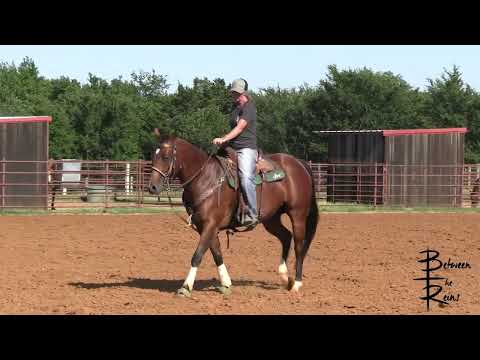
Between The Reins — Rate Drill for Free-Running Barrel Horses