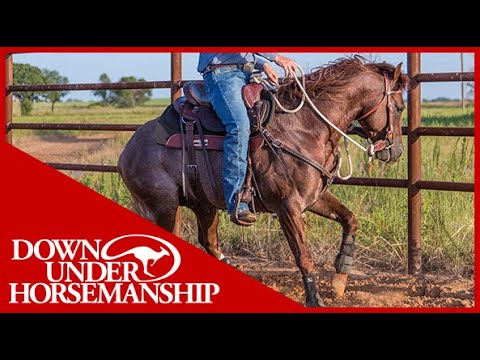
Horsemanship in its broadest sense is the art and science of working with horses in a way that produces willing, correct responses through clear communication, good timing, and genuine understanding of how horses learn and what they need. It encompasses groundwork and riding, handling and training, the development of feel and the application of technique — and at its highest level, it is invisible, appearing effortless from the outside while representing years of deliberate practice and accumulated understanding. The best horsemen are students of the horse first and practitioners of specific techniques second, because understanding why a horse responds as it does allows the skilled horseman to adapt their approach to the individual animal rather than applying a fixed method regardless of the horse's needs. The answers below address horsemanship fundamentals — how horses learn, how to develop feel and timing, how to read body language, how to approach common situations — and provide the conceptual foundation that makes every specific training technique more effective when it is understood rather than simply imitated.
All Questions
37 answersQ 01 of 37
What is impulsion and why is it important?
Impulsion is one of the most frequently used and most frequently misunderstood terms in horsemanship, and the misunderstanding — equating impulsion with speed or energy when it is actually something distinctly different from both — leads riders to produce the wrong quality in their horses when they attempt to develop…
Read full answer →Q 02 of 37
Do you think slow-feed nets are good for horses in stalls?
Slow-feed hay nets are one of the most genuinely beneficial management innovations available to horse owners who keep their horses in stalls, and the evidence supporting their use comes from multiple converging directions — behavioral science, digestive physiology, dental health research, and the practical observation of horses managed with and…
Read full answer →Q 03 of 37
What groundwork should every horse know?
Groundwork is the foundation of the horse-human relationship and the training that makes everything that follows — under-saddle work, performance training, veterinary and farrier care, trailering, and every other handling situation — safer, more efficient, and more genuinely productive. A horse with excellent groundwork training is a horse that defers…
Read full answer →Q 04 of 37
How do I introduce a horse to working cattle for the first time?
The first time a horse encounters cattle in an active working environment is a pivotal moment in its training, and the outcome of that session sets the tone for everything that follows. Some horses show immediate curiosity and boldness around cattle — they track movement with their ears, lower their…
Read full answer →Q 05 of 37
Why do horse trainers have a tendency to tell new students they are a natural?
The you're a natural comment is one of the most universally dispensed pieces of flattery in the horse world, and most experienced riders who have been around training operations long enough have heard it given to students who are clearly anything but natural in the saddle. Understanding why trainers say…
Read full answer →Q 06 of 37
How do I read my horse's body language to know if training is going well?
Reading a horse's body language during training is one of the most valuable skills a horseman can develop, and it is built through attentive observation over hundreds of hours rather than through any single lesson. Horses communicate continuously through their ears, eyes, mouth, tail, and the tension or softness in…
Read full answer →Q 07 of 37
Why are less people turning their good horses out to pasture anymore?
The decline in turnout for high-performance horses is one of the most concerning trends in modern equine management, driven by a combination of economic pressures, liability concerns, risk aversion, and a set of management assumptions that have become so embedded in the performance horse world that they are rarely questioned…
Read full answer →Q 08 of 37
How do you approach a horse safely and why does proper approach matter?
Approaching a horse correctly is one of the most fundamental safety skills in horsemanship and one that experienced horse people practice so habitually it becomes automatic, though it deserves deliberate attention from anyone new to working around horses. Horses are prey animals with eyes positioned on the sides of their…
Read full answer →Q 09 of 37
I noticed a trainer had punched a hole in the horses side and it was bleeding a little bit why does that happen sometimes?
What you observed is spur damage, and while it is not an everyday occurrence among conscientious horsemen, it happens often enough in certain training environments that it warrants a direct and honest conversation about what causes it and what it says about the horsemanship involved. A spur that breaks the…
Read full answer →Q 10 of 37
Is feeding treats spoiling my horse?
Whether feeding treats spoils a horse depends almost entirely not on whether you feed treats but on how you feed them, when you feed them, and what behavioral standards you maintain around the feeding. Treats themselves are neutral — neither inherently beneficial nor inherently harmful. What matters is the context,…
Read full answer →Q 11 of 37
My horse was gelded last year and acts a little studdy around a mare in season is there anything I can do?
Studdy behavior in a recently gelded horse is common, well understood, and in most cases resolves on its own with time — so the first thing to know is that what you are dealing with is normal and not a sign that something went wrong with the procedure or that…
Read full answer →Q 12 of 37
Should I start my horse under saddle in large circles at least 60 feet in diameter?
Yes — and the reasoning behind this recommendation is rooted in biomechanics, horse psychology, and training principles that together make large circles not just preferable but genuinely important for the physical and mental wellbeing of horses in the early stages of under-saddle work. The instinct to work young horses in…
Read full answer →Q 13 of 37
How should you introduce a young horse to a saddle and bridle on the ground?
Introducing tack to a young horse is a process that should unfold gradually and positively, with each new piece of equipment introduced only after the horse is completely comfortable with what came before. Rushing this process is one of the most common causes of horses that are cinchy, head-shy, or…
Read full answer →Q 14 of 37
What are the best tips for accustoming your horse to the saddle?
Introducing a horse to the saddle correctly is one of the most consequential moments in his entire training career, and the care taken during this process determines whether the horse develops a calm, willing acceptance of being saddled that lasts a lifetime or a defensive, anxious response to the whole…
Read full answer →Q 15 of 37
How do you teach your horse to side-pass?
The side-pass — where the horse moves laterally to one side with both front and hind legs crossing simultaneously, with no forward or backward movement — is one of the most useful and most visually impressive movements a well-trained horse can perform. It appears in trail class courses, western horsemanship…
Read full answer →Q 16 of 37
Can you start over with an advanced horse?
Starting over with an advanced horse is not only possible but is sometimes the most productive and most honest thing a trainer can do for a horse whose training has developed significant problems. The decision requires a specific kind of professional courage because it means acknowledging that the existing training,…
Read full answer →Q 17 of 37
What is the best way to teach a horse to back up?
Teaching a horse to back up — to move rearward in response to a specific aid, willingly and with correct footfall sequence, without resistance or the hollow above-the-bit posture that poor backup technique almost always produces — is a foundational training task that reveals more about the quality of the…
Read full answer →Q 18 of 37
What can I do with ground work to improve hindquarter use?
Groundwork for developing hindquarter engagement is one of the most underutilized tools in horsemanship, and it is particularly valuable because it allows you to develop the horse's physical awareness, strength, and responsiveness to lateral pressure without the added complexity of carrying a rider — which means the horse can focus…
Read full answer →Q 19 of 37
How do horses learn?
Understanding how horses learn is the most foundational knowledge any trainer or rider can possess, because every training decision — what to ask, when to ask it, how much pressure to apply, when to release, and when to stop — is either supported or undermined by whether it aligns with…
Read full answer →Q 20 of 37
What are the tips for bridling your horse correctly and safely?
Bridling is a daily handling task that requires correct technique to protect the horse's mouth, ears, and overall comfort, and the habits established during bridling directly affect whether a horse remains easy to bridle throughout its life or becomes increasingly resistant and head-shy over time. Before bridling, the halter should…
Read full answer →Q 21 of 37
What is the purpose of teaching a horse to yield to pressure?
Teaching a horse to yield to pressure is one of the most fundamental lessons in ground training, and it underlies virtually every other skill the horse will ever learn. In nature, horses respond to pressure by pushing into it — a natural survival instinct that helps them escape predators and…
Read full answer →Q 22 of 37
Why has it become popular to roll the toes on front feet when shoeing?
Rolling the toe — modifying the shoe or the hoof so that the breakover point is moved back from the tip of the toe toward the center of the foot — has become one of the most widely adopted farriery modifications across multiple disciplines and management situations, and its popularity…
Read full answer →Q 23 of 37
Why is ground training the foundation of a good riding horse?
Ground training is not a preliminary step before real training begins — it is the real training, and everything that happens under saddle is only as solid as the foundation built on the ground. Horses that have been thoroughly started and developed through ground work are easier to ride, safer…
Read full answer →Q 24 of 37
What are the tips for teaching a horse to tie?
Teaching a horse to tie correctly and safely is one of the most fundamental ground manners lessons in all of horsemanship, and getting it right from the beginning is far easier than fixing a confirmed puller that has learned through a single dramatic experience that pulling back produces freedom. Before…
Read full answer →Q 25 of 37
Explain the process of teaching voice commands when longing?
Voice commands on the longe line are one of the most practical and most underutilized training investments available, because a horse that responds reliably to voice commands has an additional communication channel that functions when the rider's hands and legs are occupied and when clear communication needs to happen at…
Read full answer →Q 26 of 37
Tips for restoring rider confidence.
Losing confidence as a rider is far more common than the equestrian world tends to acknowledge, and it can happen to anyone at any level — from a beginner who had a frightening early experience to a seasoned competitor who took a bad fall after years in the saddle. The…
Read full answer →Q 27 of 37
Should I practice getting on my horse from both sides?
Yes, without question, and the fact that this is still considered an unusual or advanced practice in many western riding circles says more about entrenched tradition than it does about good horsemanship. The convention of always mounting from the left is a relic of a time when cavalry soldiers wore…
Read full answer →Q 28 of 37
My horse does not want to ride away from the property with the barn what should I do?
A horse that is reluctant to leave the barn or property — that jiggs, calls to other horses, tries to turn back, plants his feet, or escalates in anxiety the further he travels from home — is exhibiting barn sourness or herd-boundness, one of the most common behavioral challenges in…
Read full answer →Q 29 of 37
What do you do when a horse resists the bit by trying to spit it out or refusing to accept it?
Bit resistance — a horse that pushes the bit out with his tongue, actively tries to spit it out, clamps his lips against it during bridling, or works his tongue over the bit during riding — is a problem that riders frequently address with the wrong solutions, and understanding the…
Read full answer →Q 30 of 37
Explain what is required to pick up your horse's face when riding western?
Picking up the horse's face — asking the finished western horse to flex at the poll, bring his nose toward the vertical, and soften through his jaw in response to a light rein contact — is one of the fundamental communication requests in western performance riding and the specific movement…
Read full answer →Q 31 of 37
Why can circles be stressful?
Circles create stress in horses for reasons that are both physical and psychological, and understanding both dimensions is important because a rider who attributes all circle stress to training issues may be missing a physical problem, while one who attributes it all to physical causes may be missing a training…
Read full answer →Q 32 of 37
What role does body language play in effective ground training?
Body language is the primary language of horsemanship on the ground, and understanding how to use it deliberately and accurately is what separates effective trainers from handlers who rely entirely on equipment and mechanical force. Horses are extraordinarily sensitive readers of body language — in the wild, reading the posture…
Read full answer →Q 33 of 37
Is this why Arabian horses from Brazil did so well in the show ring twenty years ago?
The Southern Hemisphere birth date advantage that explains the Brazilian reining horse development phenomenon is exactly the same structural factor that contributed to Brazilian Arabian horses' competitive success in the international halter and performance show ring during the period you are describing, and the connection between the two observations reflects…
Read full answer →Q 34 of 37
How do you train a horse to move off your leg?
Teaching a horse to move off the leg is foundational work that pays dividends in every discipline and every ride for the rest of that horse's life, and the good news is that the process is straightforward — it requires patience and consistency far more than it requires skill or…
Read full answer →Q 35 of 37
What are the keys to teaching a horse to stop?
Teaching a horse to stop — to transition from forward movement to a halt in response to a specific aid, willingly and in balance — is one of the most foundational training tasks and one of the most important safety skills any ridden horse can have. The specific quality of…
Read full answer →Q 36 of 37
What do you think about tethering hard to catch horses and explain why it is?
Tethering a hard-to-catch horse — securing him to a fixed point by a rope or chain for a period of time so that the human can approach and handle him at will — is a training technique with genuine merit in specific situations and a long history of use in…
Read full answer →Q 37 of 37
My horse keeps turning in when longing what should I do?
A horse that turns in toward the handler during longeing — spinning to face the center of the circle rather than continuing forward on the track — is one of the most common and most easily established longeing problems, and it is common specifically because it is so easy to…
Read full answer →📹 Horsemanship Training Videos