A horse that acts up in the alley or run-in is one of the most frustrating problems in barrel racing because it costs you before the clock ever starts. The behavior usually looks like jigging, spinning, rearing, refusing to stand, or bolting toward the gate — and it almost always has the same root cause: the horse has learned that the alley means something exciting is about to happen, and his adrenaline is running the show instead of his training. The anticipation gets so wired in that the mere sight of the alley triggers a full mental departure, and you're fighting that emotional state before you've taken a single stride toward the first barrel. The fix is the same principle that works in the roping box — you have to make the alley boring. If the only time your horse walks down that alley is right before a run, he has one hundred percent associated it with maximum excitement, and he's going to act accordingly every single time. Start going down the alley with zero intention of running. Walk in, stop, stand for two minutes, walk back out. Do it at home and at every jackpot you attend. Make your horse stand in the alley while other horses run. Let him watch, let him breathe, and give him no reason to think that entering that space automatically means it's time to fire. Your own energy matters more than most riders realize. If you're tense, gripping, shortening your reins, and bracing for the explosion before it happens, your horse feels every bit of it and uses it as confirmation that yes, something big is about to happen. Ride into the alley as relaxed as you would ride to the back fence at home. Loose rein, soft seat, slow breathing. Horses are extraordinarily good at reading the human body, and a rider who is calm and matter-of-fact about the alley gives the horse permission to be the same way. If the horse is genuinely dangerous — rearing, flipping, bolting uncontrollably — that goes beyond a training tune-up and into professional trainer territory. A horse that's a safety risk in the alley needs systematic desensitization work from someone with the experience and the facility to do it correctly. But for the horse that's just amped up and hard to manage, the answer is almost always the same: more exposure, less association with excitement, and a rider who leads with calm confidence rather than bracing for a wreck that hasn't happened yet.
Find the Right Trainer
1,700+ verified trainers across Arizona and the Southwest
Find My Trainer →
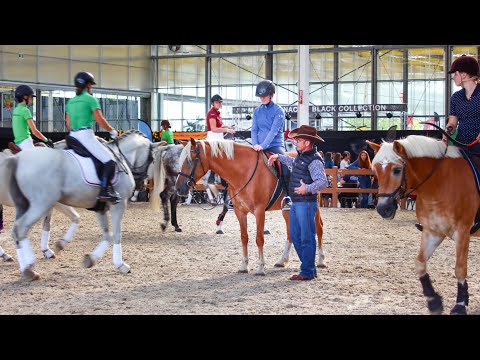
Warwick Schiller — Helping an Anxious Horse Relax in a Busy Arena