Shoeing a barrel horse is a conversation between you, your farrier, and the specific demands your horse puts on his feet — and any farrier who gives you a one-size-fits-all answer without looking at your horse's conformation, movement, and hoof quality isn't giving you the full picture. That said, there are well-established principles that guide most competitive barrel horse shoeing programs, and understanding them helps you have a productive conversation with your farrier rather than just deferring to whatever he reaches for out of habit. The most common setup for a competitive barrel horse is a flat steel plate in front with some form of traction device behind. The front shoes are typically kept as light as possible — a lighter shoe means less fatigue over the course of a season and less concussive stress on the joints — while still providing enough coverage and support for the hoof wall. Some horses do well in aluminum up front for the weight savings, particularly horses competing at a high volume on hard ground where every efficiency matters. Behind is where traction becomes a critical conversation. Barrel horses are asked to rate, plant, and drive out of three turns at full speed, and a horse that slips behind in a turn loses both time and confidence quickly. Heel caulks, screw-in studs, or borium applied in strategic spots give the hind feet the grip needed to push off cleanly without sliding. The footing you compete on most should drive that decision — hard, dry arena dirt calls for different traction than deep, soft ground or wet conditions. A farrier who competes in or around the horse show world will understand this distinction. One who primarily shoes trail horses or ranch horses may need some guidance. Bar shoes, pads, and various corrective options come into play for horses with specific soundness or hoof quality issues, and those decisions should always involve your veterinarian alongside your farrier. A horse that's sore in his feet will never run his best regardless of how well he's trained, and investing in the right shoeing program is one of the highest-return decisions you can make for a competitive barrel horse. Schedule your shoeings consistently every five to six weeks, keep records of what works and what doesn't, and treat your farrier as a key member of your horse's performance team — because that's exactly what he is.
Find the Right Trainer
1,700+ verified trainers across Arizona and the Southwest
Find My Trainer →
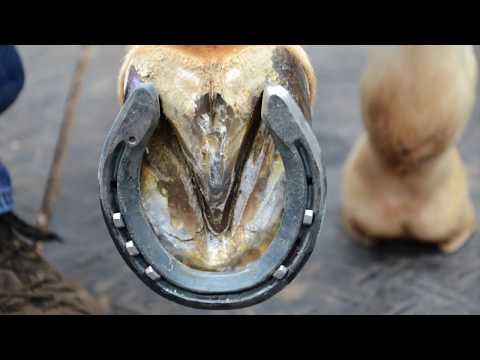
Diamond Farrier — Trimming & Shoeing a Barrel Horse (Diamond Tracker)