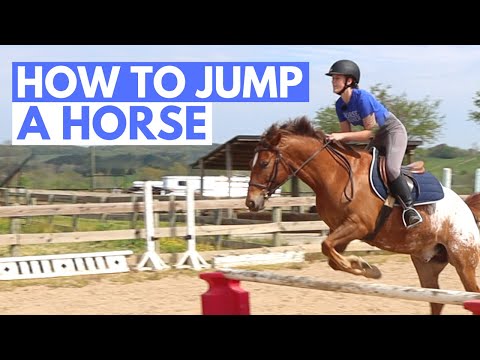
English competition encompasses a wide range of disciplines that evaluate different aspects of horse and rider partnership — from the movement quality and consistency of hunter under saddle to the jumping technique and course accuracy of working hunters, and the rider's position, precision, and invisible communication required in equitation over fences. Each discipline has specific judging criteria, equipment requirements, and training demands that distinguish it from related classes. A horse prepared for hunter under saddle needs consistent, correct movement and relaxed manners; one prepared for working hunter needs jumping technique and adjustability between fences; one prepared for equitation needs a rider demonstrating position, timing, and correct presentation. The answers below address the training, preparation, judging standards, and common challenges across the major English competition disciplines, providing guidance for riders from their first show through competitive success in their target division.
All Questions
51 answersQ 01 of 51
How do you address a horse that rushes or becomes tense in Hunter Under Saddle classes?
A horse that rushes or becomes tense in Hunter Under Saddle competition is one of the most common and frustrating problems in the discipline, because tension and rushing are the direct opposite of the relaxed, rhythmic way of going the class rewards. Rushing typically originates from one of three sources…
Read full answer →Q 02 of 51
How do you use a Chambon and what is it for?
The Chambon is a specialized piece of schooling equipment used almost exclusively in longeing work that is designed to encourage the horse to stretch his neck forward and downward and to develop a round through topline by making it uncomfortable for the horse to carry his head high and his…
Read full answer →Q 03 of 51
What is Equitation Over Fences and how is it judged?
Equitation Over Fences is a jumping class in which the rider's position, effectiveness, and horsemanship are the primary subjects of judging rather than the horse's jumping style or the speed of the round. The rider is evaluated on their position over each fence, their ability to present the horse correctly…
Read full answer →Q 04 of 51
How do you develop an effective, following hand for Hunter Seat Equitation?
The hand position in Hunter Seat Equitation should be soft, following, and connected to the horse's mouth in a way that maintains consistent light contact without restricting the horse's movement or creating tension. A stiff, fixed hand that does not follow the horse's motion is one of the most commonly…
Read full answer →Q 05 of 51
How do you develop an effective, secure leg position for Hunter Seat Equitation?
A secure, effective leg position is the foundation of correct Hunter Seat Equitation and cannot be shortcut or bypassed in favor of working on other elements of position. The leg provides the base of support that allows the upper body to remain quiet and balanced, and without it, every other…
Read full answer →Q 06 of 51
What type of horse is best suited for Working Hunter competition?
The ideal Working Hunter horse combines a bold, genuine jumping instinct with correct, ground-covering movement on the flat and the kind of workmanlike temperament that reflects a horse suitable for a day's hunting across varied terrain. Type matters in Working Hunter judging — the horse should look like a functional…
Read full answer →Q 07 of 51
My horse started running out at the fences once in a while what am I doing wrong?
The assumption embedded in your question — that running out is something you are doing wrong — is worth examining carefully, because while rider error is certainly a common contributor to running out, the behavior has enough possible causes that attributing it automatically to the rider before investigating all of…
Read full answer →Q 08 of 51
What position elements are most important in Equitation Over Fences?
The position elements evaluated in Equitation Over Fences are the same fundamentals judged on the flat — leg security, upper body angle, hand position, and overall balance — applied in the more demanding context of jumping. The leg is the foundation and must remain secure and in the correct position…
Read full answer →Q 09 of 51
What qualities make a horse a good Hunter Seat Equitation mount?
The qualities that make a horse well suited for Hunter Seat Equitation center on reliability, consistency, and trainability rather than exceptional movement or athletic brilliance. Because the rider is being judged rather than the horse, the horse's job is to make it as easy as possible for the rider to…
Read full answer →Q 10 of 51
How do you address a horse that rushes to fences in Working Hunter?
A horse that rushes to fences is one of the most common problems in Working Hunter training and one that directly undermines both the jumping quality and the hunting pace the class rewards. A rushing horse arrives at fences too fast and on a forehand-heavy, unbalanced stride, which produces a…
Read full answer →Q 11 of 51
My horse will refuse and pitch in toward the fence on occasion particularly toward the end of the session what should I do?
A horse that refuses and ducks in toward the fence — stopping and swinging his body sideways into the jump rather than stopping straight or running out to the side — is exhibiting a specific and informative refusal pattern, and the detail that it occurs particularly toward the end of…
Read full answer →Q 12 of 51
How do you develop the correct trot for Hunter Under Saddle competition?
Developing the correct Hunter Under Saddle trot requires establishing rhythm, relaxation, and forward energy as the foundation before asking for the length of stride and consistency the class rewards. A horse that is tense through its back will not produce the long, fluid trot stride that judges look for regardless…
Read full answer →Q 13 of 51
How does sitting trot work factor into Hunter Seat Equitation preparation?
Sitting trot is one of the most physically demanding position requirements in Hunter Seat Equitation and is one of the most reliable indicators of the true quality of a rider's seat and leg security. Unlike posting trot, where the horse's energy assists the rider in maintaining rhythm, sitting trot requires…
Read full answer →Q 14 of 51
What position fundamentals are judged in Hunter Seat Equitation?
The position judged in Hunter Seat Equitation is built on a foundation of balance, security, and effectiveness — a position that allows the rider to communicate clearly with the horse while appearing quiet and correct to the observer. The leg is the base of the position and must be secure…
Read full answer →Q 15 of 51
What is the proper use of a whip in English riding?
The whip in English riding serves the same foundational purpose as the crop in western riding — it is a reinforcement aid that extends the rider's communication beyond what the leg alone can produce, and its correct use is defined by the same principles of timing, proportionality, and release that…
Read full answer →Q 16 of 51
Is event training good for show hunters?
Event training is genuinely beneficial for show hunters in ways that many dedicated hunter people either do not recognize or actively resist. Beneath the surface differences between the two disciplines the horse that has been correctly exposed to eventing principles — cross-country jumping, gymnastic work, varied terrain, and the fitness…
Read full answer →Q 17 of 51
What is Working Hunter and how is it judged?
Working Hunter is a class that evaluates a horse on its ability to jump a course of fences and its overall suitability as a practical, functional hunter. Unlike pure hunter over fences classes where style and elegance are the primary criteria, Working Hunter places significant emphasis on the horse's way…
Read full answer →Q 18 of 51
How do you train a horse to be consistent and adjustable for equitation courses?
An equitation course is designed to test the rider's ability to manage distance, pace, and adjustability, and a horse that is consistent, rideable, and easily adjusted between fences gives the rider the best possible platform to demonstrate those skills. Training an equitation horse for this level of consistency requires extensive…
Read full answer →Q 19 of 51
What type of movement does a judge look for in Hunter Under Saddle?
The movement a judge rewards in Hunter Under Saddle reflects the qualities that make a horse safe, comfortable, and efficient in a hunt field setting — long, ground-covering strides with natural impulsion, a relaxed topline, and consistent rhythm at all three gaits. At the walk, the horse should be flat-footed…
Read full answer →Q 20 of 51
How do you select the right horse for Hunter Under Saddle competition?
Selecting a horse for Hunter Under Saddle competition requires evaluating movement, temperament, and conformation in combination, because all three contribute to the horse's ability to compete successfully in the class. Movement is the most visible and heavily judged quality, and a horse with naturally long, fluid, ground-covering strides at all…
Read full answer →Q 21 of 51
How do you develop a correct, balanced canter for Hunter Under Saddle?
The canter in Hunter Under Saddle should be balanced, rhythmic, and ground-covering with a relaxed, swinging quality that reflects a horse moving in self-carriage rather than being held together by the rider. Developing this canter begins with establishing correct canter departures — the horse should pick up the correct lead…
Read full answer →Q 22 of 51
How do you teach a rider to use their upper body correctly over fences in equitation?
The upper body position over a fence in Hunter Seat Equitation requires the rider to fold forward from the hip in proportion to the horse's effort over the fence, maintaining a straight line from hip to heel and an angle that follows the horse's motion without anticipating or resisting it.…
Read full answer →Q 23 of 51
How important are manners in Hunter Under Saddle and how do you develop them?
Manners are one of the most heavily weighted components of Hunter Under Saddle judging, and a horse with exceptional movement but poor manners will consistently lose to a horse with correct, average movement and impeccable behavior. The manners a judge evaluates include the horse's willingness to maintain a consistent pace…
Read full answer →Q 24 of 51
What is Hunter Under Saddle and how is it judged?
Hunter Under Saddle is a flat class in which horses are evaluated on their movement, manners, and suitability as a safe, pleasurable horse to ride in a hunt seat discipline. Unlike hunter over fences classes, Hunter Under Saddle does not involve jumping — the horse is judged entirely on how…
Read full answer →Q 25 of 51
How do you develop a rider's eye and timing for equitation over fences?
Developing a rider's eye — the ability to see and adjust to a correct distance to a fence — is one of the central skills in equitation over fences and one of the most difficult to teach because it involves both visual perception and physical feel that must be developed…
Read full answer →Q 26 of 51
How does conformation affect a horse's Working Hunter scores?
Conformation is evaluated as part of the overall assessment in Working Hunter competition and contributes to the horse's score through its influence on type, soundness, and way of going. A horse with correct conformation presents the picture of a genuine working hunter — well-balanced, substantial enough to carry a rider…
Read full answer →Q 27 of 51
How do you train a horse to jump natural fences confidently?
Working Hunter fences are designed to look natural and solid — brush, logs, stone walls, gates, ditches, and banks — rather than the brightly colored poles used in show jumping. Many horses that jump show jumps readily are initially hesitant or spooky in front of natural fences, particularly those with…
Read full answer →Q 28 of 51
How does in-gate and warm-up management affect Equitation Over Fences performance?
How a rider and horse are managed in the warm-up and at the in-gate directly affects the quality of the equitation round, and experienced trainers treat warm-up management as a component of competitive preparation rather than a routine formality. The warm-up for an equitation round should establish the rhythm, pace,…
Read full answer →Q 29 of 51
How to start an ex-racehorse to jumping?
Starting an ex-racehorse over jumps is in many ways one of the most natural second-career transitions available to off-track Thoroughbreds, because the Thoroughbred breed was developed specifically for the athletic demands that jumping requires — scope, boldness, elasticity, natural impulsion, and the genuine forward courage that approaches a fence without…
Read full answer →Q 30 of 51
How do you manage a horse's fitness for Working Hunter competition?
Working Hunter competition demands a level of fitness appropriate to jumping a full course of fences and then performing in a flat class within the same session. A horse that is not adequately conditioned will show fatigue in its jumping — losing rhythm, becoming flat over fences, or losing impulsion…
Read full answer →Q 31 of 51
How do you train a horse to settle and show correctly in the flat phase of Working Hunter?
The flat phase of Working Hunter requires the horse to show at walk, trot, and canter with the same qualities evaluated in Hunter Under Saddle — ground-covering, rhythmic movement, correct manners, and a relaxed, workmanlike way of going. Many horses that jump well struggle in the flat phase because the…
Read full answer →Q 32 of 51
What is Hunter Seat Equitation and how does it differ from Hunter Under Saddle?
Hunter Seat Equitation is a discipline in which the rider, rather than the horse, is the primary subject of judging. The judge evaluates the rider's position, effectiveness of aids, and overall horsemanship, with the horse serving as the vehicle through which those qualities are demonstrated. This is the fundamental distinction…
Read full answer →Q 33 of 51
How do bending lines and related distances test a rider in Equitation Over Fences?
Bending lines and related distances are deliberately incorporated into equitation courses to test the rider's ability to manage pace, find distances on a curve, and demonstrate adjustability between fences — skills that require a combination of planning, feel, and technical riding ability that flat pace management alone cannot reveal. A…
Read full answer →Q 34 of 51
How do you develop a secure jumping position for Equitation Over Fences?
Developing a secure jumping position requires building the leg strength, hip flexibility, and independent seat that allow a rider to remain balanced and correct through the physical demands of jumping without relying on the reins or the horse's neck for support. The foundation is the same work described for flat…
Read full answer →Q 35 of 51
How do you build a rider's confidence for equitation competition?
Building a rider's confidence for equitation competition is as important as developing their technical skill, because anxiety and self-doubt in the show ring produce tension that directly compromises position, timing, and effective use of aids. Many riders who perform beautifully at home struggle in competition not because their skill is…
Read full answer →Q 36 of 51
How does posting trot position affect scores in Hunter Seat Equitation?
The posting trot is one of the most evaluated movements in flat Hunter Seat Equitation because it reveals the quality of the rider's leg, hip, and upper body position more clearly than any other gait. A correct posting trot requires the rider to rise and fall in rhythm with the…
Read full answer →Q 37 of 51
How does course memorization affect performance in Equitation Over Fences?
Course memorization is a fundamental requirement in Equitation Over Fences, and a rider who is uncertain of the course will show it in their performance. Looking for the next fence, hesitating at a turn, or taking a wrong course not only results in elimination or penalties in most formats but…
Read full answer →Q 38 of 51
My horse is drifting to one side when going over fences how do I correct that problem?
A horse that drifts consistently to one side over fences — that leaves the ground on a straight approach but lands several feet to the left or right of the center line — is a common and frustrating jumping problem. The effective corrections happen on the ground and in the…
Read full answer →Q 39 of 51
How do you develop and maintain the extended trot required in Hunter Under Saddle?
The extended trot in Hunter Under Saddle is called for to evaluate the horse's ability to lengthen its stride and demonstrate additional scope beyond its working trot. When done correctly, the extended trot shows a horse reaching forward with its front legs and driving forward with its hind legs to…
Read full answer →Q 40 of 51
Explain why in English riding there is constant contact with the bit but not heavy pressure?
The concept of constant but light contact in English riding is one of the most misunderstood aspects of the discipline for riders coming from a western background. Constant contact does not mean constant pressure. It means a consistent maintained connection between the rider's hand and the horse's mouth through which…
Read full answer →Q 41 of 51
How do you select fences and courses for Working Hunter schooling sessions?
Selecting appropriate fences and course configurations for Working Hunter schooling is important for developing the specific skills the class requires without creating problems through inappropriate difficulty or repetition. Working Hunter fences should look natural and solid, and schooling should include regular exposure to the types of fences the horse will…
Read full answer →Q 42 of 51
My horse wants to rush the fences how can I collect and control that behavior?
A horse that rushes fences — that accelerates in the approach, flattens his stride, and arrives at the base of every jump at a pace that compromises the quality of the jump — is one of the most common jumping problems and one of the most mishandled, because the instinctive…
Read full answer →Q 43 of 51
How do you prepare a Hunter Under Saddle horse for the show environment?
Preparing a Hunter Under Saddle horse for the show environment requires deliberate exposure to the stimuli it will encounter at a competition, because a horse that is well-schooled at home but anxious or distracted at a show will not perform to its training level regardless of how correct its preparation…
Read full answer →Q 44 of 51
What role does the rider's position and aids play in Hunter Under Saddle placings?
Rider position and the quality of the aids used during a Hunter Under Saddle class directly affect the picture the entry presents and can influence placings when horses are otherwise closely matched. The hunter seat position requires the rider to sit with a long, secure leg, a quiet, following hand,…
Read full answer →Q 45 of 51
How do you develop jumping technique for Working Hunter?
Jumping technique in Working Hunter is evaluated on the horse's style and efficiency over a fence — how it uses its body, folds its legs, and bascules through the arc of the jump. A horse that jumps with a correct bascule, folding its knees tightly, rounding through its back, and…
Read full answer →Q 46 of 51
How do you develop a correct hunting pace for Working Hunter competition?
The hunting pace is the consistent, forward, rhythmic canter that a horse maintains throughout a Working Hunter jumping course, and developing it is fundamental to producing a competitive Working Hunter performance. Unlike show jumping, where pace may vary significantly between fences and combinations, Working Hunter rewards a horse that maintains…
Read full answer →Q 47 of 51
How do you develop a rider's ability to recover from a difficult fence in Equitation Over Fences?
The ability to recover quickly and correctly after a difficult fence — a long distance, a chip, or an awkward landing — is one of the qualities that distinguishes an experienced equitation rider from a developing one, and it is a skill that can be trained deliberately rather than left…
Read full answer →Q 48 of 51
My horse chips in before the jump what can I do?
Chipping in before a jump — that extra short awkward stride that appears in the final one or two strides of the approach and produces a cramped uncomfortable takeoff — is one of the most common and most frustrating jumping problems at every level of riding. The chip is almost…
Read full answer →Q 49 of 51
How do you prepare a rider for the individual work portion of a Hunter Seat Equitation class?
Individual work in Hunter Seat Equitation classes requires the rider to perform specific exercises or patterns in front of the judge, typically after the group work portion of the class has concluded. The judge selects riders to perform individual work based on their group performance, and being asked to perform…
Read full answer →Q 50 of 51
My horse refuses to jump into water and more courses have a water jump what can I do?
Water jump refusals are one of the most specific and most trainable confidence problems in jumping, and they are extremely common because most horses encounter water complexes rarely and often for the first time at a competition where pressure and an unfamiliar environment compound the horse's uncertainty about an already…
Read full answer →Q 51 of 51
How do you train a rider to find correct distances in Equitation Over Fences?
Finding correct distances consistently is one of the most important and most practiced skills in Equitation Over Fences, because an equitation rider is expected to arrive at each fence on a correct, comfortable distance without the dramatic last-stride adjustments that reflect poor planning or a weak eye. Developing this skill…
Read full answer →📹 English Competition Videos