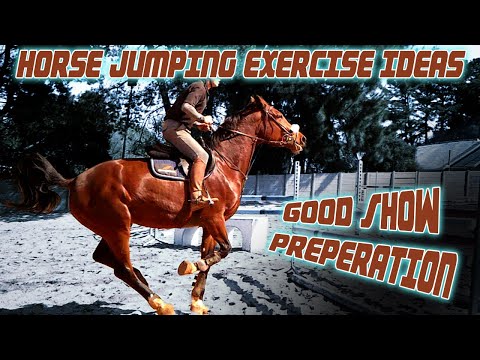
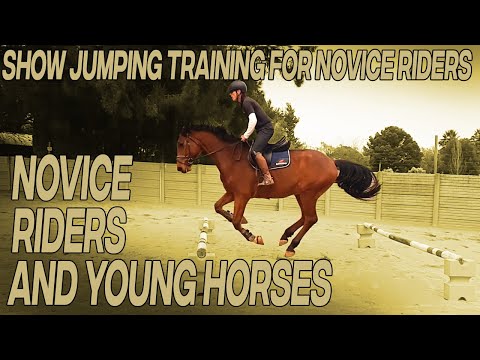
English pleasure is a rail class that evaluates the suitability of a horse for pleasurable English riding — rewarding horses that move with correct, forward, elastic gaits, demonstrate willing manners, and appear genuinely pleasant for a rider to sit. The class is judged on the horse's movement quality at the walk, posting trot, sitting trot where required, and canter, with specific attention to the consistency of the pace, the correctness of the transitions, and the overall impression of a horse that is a pleasure to ride rather than one requiring constant management. English pleasure horses in western breed shows carry a distinctly different style from hunter under saddle or dressage horses — the movement is correct but not extreme, the frame is appropriate to the level without forced collection, and the overall picture is one of natural, pleasant way of going rather than high-performance athleticism. The answers below address English pleasure training, gait development, show preparation, judging criteria, and the specific movement qualities that distinguish winning horses from those that lack the correctness or consistency judges reward.
All Questions
26 answersQ 01 of 26
How do I train my horse to accept contact correctly in an English bridle?
Accepting contact is one of the foundational skills an English pleasure horse must develop before any refinement of movement, frame, or expression is possible, because the contact between the rider's hand and the horse's mouth is the primary channel of communication in English riding and every instruction the rider gives…
Read full answer →Q 02 of 26
How is English pleasure different from hunt seat equitation and hunters, and why does the distinction matter?
English pleasure, hunt seat equitation, and hunters are three distinct English disciplines that share tack and general appearance but are judged on entirely different criteria — a point that confuses many riders who are new to English showing and that matters significantly for how a horse and rider should be…
Read full answer →Q 03 of 26
What are the gaits required in English pleasure and how should each one look?
English pleasure classes typically require three gaits — walk, trot, and canter — performed in both directions of the arena, with some classes also calling for an extended trot depending on the association and level of competition. Each gait is evaluated on its own merits, and a horse that excels…
Read full answer →Q 04 of 26
What do judges look for in rider presentation in English pleasure?
Rider presentation in English pleasure is evaluated as a component of the overall picture rather than as a separate class from the horse's performance. It is not equitation, where the rider is the primary subject of evaluation, but it is not invisible either. A rider whose position is correct, whose…
Read full answer →Q 05 of 26
How do I develop my posting trot to complement my horse's movement in English pleasure?
The posting trot is the primary trot position used in English pleasure riding, and a rider who posts correctly — rising and sitting in harmony with the horse's diagonal movement rather than slightly ahead of or behind it — enhances the horse's way of going by staying in balance with…
Read full answer →Q 06 of 26
How do judges differentiate between horses when the English pleasure class is close and placements are difficult?
When the top horses in an English pleasure class are performing at approximately equal levels, judges use a hierarchy of evaluation factors to differentiate between entries and arrive at placings they can defend. Understanding this hierarchy helps competitors recognize where their horses have the greatest opportunity to gain an advantage…
Read full answer →Q 07 of 26
How do I show my horse in English pleasure classes at a breed show versus an open show?
Showing at a breed show versus an open show creates meaningfully different competitive environments, and understanding those differences helps a competitor prepare specifically for each rather than applying a one-size-fits-all approach. Breed shows evaluate horses within the standards established for that specific breed, which means the judge is looking for…
Read full answer →Q 08 of 26
How do I choose the right horse for English pleasure competition?
Selecting the right horse for English pleasure competition involves evaluating natural movement quality, conformation that supports correct movement, temperament suitable for the show environment, and breed appropriateness for the classes being targeted. Each of these factors influences the probability of success in the discipline, and weighing them correctly requires an…
Read full answer →Q 09 of 26
What exactly are judges evaluating in an English pleasure class and what does the ideal horse look like?
English pleasure is a rail class that evaluates the horse's suitability as a pleasurable riding mount under English tack, judged on quality of movement, manners, way of going, and suitability for the purpose the class implies. The standard across most breed associations is a horse that moves forward with energy…
Read full answer →Q 10 of 26
What are the most common mistakes riders make when showing in English pleasure classes?
The mistakes that consistently cost riders points in English pleasure classes fall into several identifiable categories, and recognizing them — ideally through video review and honest self-assessment rather than only in the moment of the mistake — allows targeted training that addresses the specific gaps rather than general practice that…
Read full answer →Q 11 of 26
How do I develop correct canter departures and a balanced canter for English pleasure?
The canter in English pleasure must be on the correct lead, balanced, and rhythmic from the first stride of the departure through the entire time the class is worked at the canter. A wrong lead departure is a major fault that costs significant points and is impossible to hide from…
Read full answer →Q 12 of 26
How do I develop my horse's extended trot for English pleasure classes that require it?
The extended trot in English pleasure asks the horse to lengthen its stride and cover more ground per step while maintaining the same two-beat rhythm it uses at the regular trot. It is a movement that demonstrates the horse's ability to shift gears on command — to access more of…
Read full answer →Q 13 of 26
What equipment is required and appropriate for English pleasure competition?
English pleasure competition requires English tack — an English saddle, an English bridle, and appropriate attire for the rider — with specific requirements varying by association, breed, and class level. Reading the rulebook for the specific association being shown under before making equipment decisions is essential, as requirements differ meaningfully…
Read full answer →Q 14 of 26
How do I use cavaletti and ground poles in English pleasure training?
Cavaletti and ground poles are among the most effective and most underutilized training tools for English pleasure horses, and the benefits they provide for rhythm, engagement, and natural expression of movement are difficult to replicate through any other single exercise. A horse that is worked over ground poles regularly develops…
Read full answer →Q 15 of 26
How do judges evaluate manners and attitude in an English pleasure class?
Manners and attitude are judged throughout the entire class rather than only during specific called gaits, and a horse with genuinely good manners earns credit that accumulates across every moment the judge is observing. The term manners in English pleasure encompasses a specific set of behaviors: promptness in responding to…
Read full answer →Q 16 of 26
How do I develop my horse's topline for English pleasure competition?
A well-developed topline is one of the most visible indicators of a correctly trained English pleasure horse, and it is also one of the most honest — the muscles along the horse's neck, back, loin, and hindquarters develop only through correct, consistent work that asks the horse to use those…
Read full answer →Q 17 of 26
How do I develop my horse for both English pleasure and western pleasure, and is it possible to show in both?
Showing a horse in both English pleasure and western pleasure — sometimes called crossing over between disciplines — is a tradition in many breed associations and a practical approach for owners who want to maximize a horse's showing versatility. Whether a given horse is well suited to both disciplines depends…
Read full answer →Q 18 of 26
What groundwork exercises benefit English pleasure horses most?
Groundwork for an English pleasure horse serves the same purpose as groundwork for any performance horse — it builds the horse's responsiveness to pressure, develops its physical awareness and balance, and establishes the communication between horse and handler that riding builds on. The specific groundwork exercises most beneficial for English…
Read full answer →Q 19 of 26
What specific movement qualities do English pleasure judges reward most highly?
The movement qualities that English pleasure judges reward most consistently reflect the class's foundational purpose — identifying the horse whose gaits are most genuinely pleasant, forward, and correct for a rider to experience. Those qualities are rhythm, engagement, and expression, and they must be present simultaneously and consistently at all…
Read full answer →Q 20 of 26
How do I develop the correct trot for English pleasure competition?
The trot is the defining gait of the English pleasure class, and developing a correct, flowing, energetic trot that maintains consistent rhythm and demonstrates genuine engagement from behind is the central training challenge of the discipline. Unlike western pleasure, where the jog is developed toward a slow, controlled pace, the…
Read full answer →Q 21 of 26
How do judges evaluate transitions in English pleasure and why do they matter so much?
Transitions are among the most revealing moments in an English pleasure class because they simultaneously test the horse's training, the rider's skill, and the quality of the communication between them — all compressed into a span of two to four strides that the judge observes in real time. A smooth,…
Read full answer →Q 22 of 26
How do I develop correct bend and flexion through both directions for English pleasure?
Correct bend through both directions of the arena is a fundamental requirement of an English pleasure horse that is often underdeveloped in horses trained primarily through straight-line work. A horse that bends correctly through turns and circles — with its spine following the arc of the turn, its inside hind…
Read full answer →Q 23 of 26
How do I train my horse to maintain consistent energy and impulsion throughout the English pleasure class?
Impulsion — the forward energy that drives a horse through its movement rather than simply moving its legs — is one of the defining qualities of a competitive English pleasure horse and one of the most difficult qualities to maintain throughout an entire class. A horse that trots with beautiful…
Read full answer →Q 24 of 26
How do I build a relationship with my horse that enhances its performance in English pleasure classes?
The relationship between horse and rider is one of the most underappreciated factors in English pleasure performance, and it expresses itself in ways that judges can see without being able to articulate exactly what they are observing. A horse that trusts its rider — that accepts direction without anxiety, works…
Read full answer →Q 25 of 26
How do I train a horse that rushes or gets strong at the trot in English pleasure?
A horse that rushes at the trot — increasing its pace beyond the trained rhythm, pulling against the rein contact, or becoming progressively stronger and harder to rate as the class continues — is one of the most common training problems in English pleasure and one that becomes more difficult…
Read full answer →Q 26 of 26
How do judges evaluate overall impression in an English pleasure class?
Overall impression in an English pleasure class is the accumulated picture a horse and rider create from the moment they enter the arena until the class is excused to the lineup, and it is the context within which every individual gait and transition is evaluated. A horse and rider that…
Read full answer →📹 English Pleasure Training Videos