Managing a hot or difficult horse in jumper competition requires a combination of specific training preparation, show day management strategies, and in-competition riding techniques that together keep the horse's arousal level within the range where quality jumping is possible without the defensive reactions that excessive arousal produces. The foundation of managing a hot horse is training that has developed genuine responsiveness to the half-halt rather than relying on sustained rein pressure to control pace — a horse that genuinely reorganizes its balance in response to a half-halt rather than continuing to pull against sustained contact is manageable in competition even when it is excited, while one that requires constant sustained pressure simply becomes stronger and more resistant under the additional excitement of the competition environment. Show day management begins with understanding the specific horse's needs: some hot horses benefit from a quiet, familiar routine that minimizes environmental stimulation before classes; others benefit from a longer, more thorough warm-up that allows excess energy to be worked off before the competitive round. The warm-up itself should develop calmness rather than intensity — circles and transitions that develop the horse's responsiveness rather than practice over many fences that increases excitement. In the competition ring, the approach to each fence should maintain the same balance and pace that the training work has established rather than allowing the excitement of competition to produce the acceleration that hot horses typically show. Giving the horse something to think about in the approach — a half-halt that asks for reorganization rather than sustained pulling — keeps the horse's attention on the rider's direction rather than on its own excitement. Post-competition review of what specifically made the horse more or less manageable — which warm-up approaches helped, which ring entry procedures made a difference, which riding techniques within the course maintained the most control — builds the horse-specific management knowledge that improves over successive competitions.
Find the Right Trainer
1,700+ verified trainers across Arizona and the Southwest
Find My Trainer →
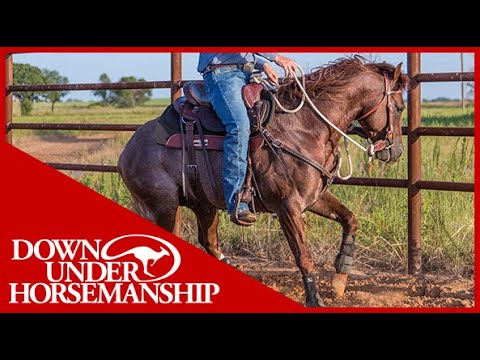
Watch: How to Manage a Hot or Difficult Horse in Jumper Competition
▶
Clinton Anderson: Working With Hot and Busy-Minded Horses — Managing a Hot or Difficult Horse in Jumper Competition
Downunder Horsemanship