A reining horse needs enough collection to stay balanced through the maneuvers, lift through the shoulders, engage the hindquarters, and perform transitions between speeds and maneuvers without falling forward onto the forehand. Collection in the reining horse is functional rather than cosmetic — it is the physical state that makes correct maneuvers possible rather than an end in itself. A horse performing a sliding stop from a collected, balanced lope drives its hindquarters under its body and maintains a flat back through the slide. A horse performing the same stop while running on its forehand falls into the ground rather than gliding through it. A horse performing lead changes in a collected, balanced lope can shift its weight and change cleanly. A horse that is strung out and heavy on the forehand drags through lead changes or misses them entirely. Collection should not mean pulling the head down with rein pressure or creating an artificial frame that looks correct but is not supported by genuine hindquarter engagement. True collection comes from the horse carrying weight behind while remaining soft through the poll and jaw, forward in its energy, and light in the bridle. Too much collection — a horse that is behind the vertical, over-flexed, and short in its stride — is as problematic for reining as too little, because it removes the forward energy that the rundown, the large circle, and the rollback all require. The correct amount of collection varies with each maneuver: more in the small slow circle, less in the large fast one, with the horse adjusting fluidly between the two as the pattern demands.
Find the Right Trainer
1,700+ verified trainers across Arizona and the Southwest
Find My Trainer →
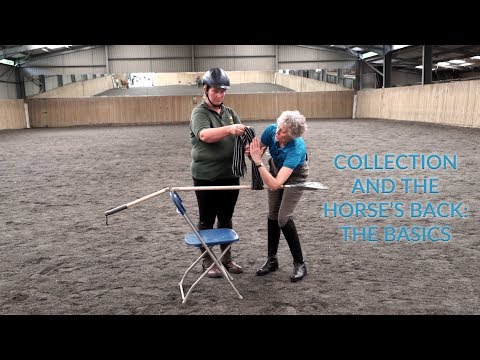
Watch: How Much Collection a Reining Horse Actually Needs
▶
Collection and the Horse's Back — The Basics Applied to Reining
Mary Wanless