Too much sled work relative to live cattle work can create specific training gaps that only become apparent when the horse is asked to perform on live cattle, and the gaps are predictable because the sled and the steer make fundamentally different demands on the horse. The sled moves in a straight, predictable line at a pace controlled by the driver — it does not drift, change speed erratically, drop its hip, or respond to the horse's position the way a live steer does. A horse developed extensively on the sled learns to rate and position to a predictable moving object, which is a different skill than reading and adjusting to an animal with its own movement patterns and evasions. When that horse is put on live cattle, the unpredictability of the steer often exposes that it has been tracking a machine rather than developing genuine cattle feel. The rate and position that worked on the sled does not transfer automatically because the reference point — a controlled moving object — is fundamentally different from a live steer that drifts, speeds up, and slows down based on its own behavior. The sled is also unable to teach the horse the cattle excitement management that only comes from actual cattle exposure, which means a horse heavy on sled work and light on cattle work may be technically correct in its mechanics but emotionally unprepared for the arousal that live steers produce. Use the sled as a preparation and maintenance tool, not as the primary cattle training environment, and ensure the horse has adequate live cattle miles to develop genuine feel and emotional regulation alongside its mechanical training.
Find the Right Trainer
1,700+ verified trainers across Arizona and the Southwest
Find My Trainer →
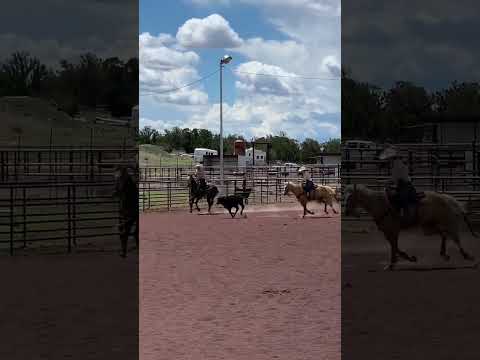
Watch: Can Too Much Sled Work Hurt a Rope Horse's Training
▶
Slow and Easy Rope Horse Training — Can Too Much Sled Work Hurt a Rope Horse
Rope Horse Training