A head horse that ducks out after the catch — breaking away from the steer to the left or right rather than initiating the controlled arc of the turn — is jumping out of its job at the exact moment the run depends on it most. The duck out leaves the steer without direction, the heeler without a shot, and the header scrambling to recover control before the run falls apart completely. The cause is almost always one of two things: the horse has not been taught a specific, cued turn response and is simply reacting to the sudden tension of the dally by moving away from the pressure, or the horse has experienced rough mouth contact or jarring dally tension in previous runs and has learned to duck away from that location in the run to avoid the discomfort. For the horse that lacks a trained turn response, the fix is installing the left turn as a deliberate, cued behavior — initiated by the rider's inside rein and left leg at the moment of the dally — rather than allowing the horse to self-select a direction when the pressure hits. Flat work building the left turn response, then slow cattle runs where the cue is applied clearly and immediately at the catch, gives the horse a specific trained response to replace the reactive duck. For the horse avoiding discomfort, check the dally mechanics and the severity of the catch: a horse that has been jerked repeatedly through the dally or has experienced rope burn or saddle horn pressure will associate that point in the run with pain and move away from it. Soft hands through the turn and progressive work rebuilding the horse's confidence at the dally are the tools, not stronger correction.
Find the Right Trainer
1,700+ verified trainers across Arizona and the Southwest
Find My Trainer →
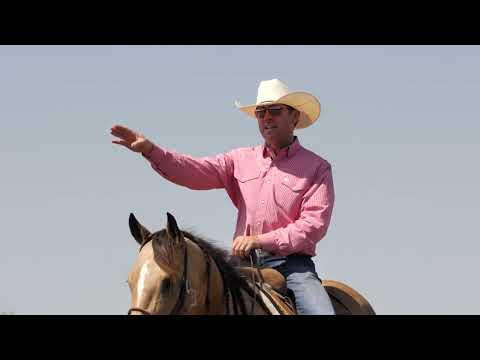
Watch: How to Keep a Head Horse From Ducking Out After the Catch
▶
Trevor Brazile: Keeping the Head Horse From Ducking Out After the Catch
Roping.com