Keeping a horse calm around cattle is a product of progressive exposure, predictable handling, and never pushing the horse into a level of cattle work that exceeds its current emotional capacity. The horse that is calm around cattle is one that has had enough positive, low-pressure experiences with cattle that their presence is unremarkable rather than stimulating — and that state is built over time through deliberate management of the horse's arousal level at every stage of its cattle education. The practical approach is to always begin each cattle session below the horse's threshold: start with cattle that are settled, at a pace that is manageable, in an environment the horse knows. Even a horse that handled fast cattle well in the last session benefits from starting the next one quietly, because beginning below threshold and building up is far more effective than starting at the level where the horse finished last time. Monitor the horse's physical indicators of arousal throughout the session — elevated head carriage, shortened stride, tight back, fixed eye on the cattle rather than a soft working focus — and reduce the intensity of the cattle work the moment those signs appear rather than pushing through them. A horse worked through its threshold repeatedly becomes progressively hotter around cattle over time because each over-threshold experience confirms that cattle are high-arousal events. A horse consistently kept below threshold and brought up gradually develops a working focus around cattle that is engaged but not hot, competitive but not unmanageable.
Find the Right Trainer
1,700+ verified trainers across Arizona and the Southwest
Find My Trainer →
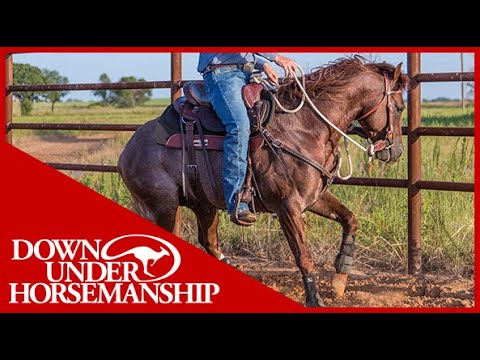
Watch: How to Keep a Horse Calm Around Cattle
▶
Clinton Anderson: Working With Hot and Busy-Minded Horses — Keeping a Horse Calm Around Cattle
Downunder Horsemanship