The distinction between rating and quitting is one of the most important concepts in head horse development, and the line between them is thinner than most ropers realize until a horse crosses it. Rating is a controlled reduction in speed that brings the horse to the correct position alongside the steer while maintaining forward energy, engagement, and drive. Quitting is a loss of forward commitment — the horse backs off the steer, loses impulsion, and leaves the header hanging at a flat angle with no shot. A horse that quits has learned that backing off the pressure of the cattle is acceptable, and the most common reason it learned that is because it was corrected too aggressively for crowding and over-corrected into passivity. Teaching rate without quitting requires that the rider communicate a specific speed reduction rather than simply applying backward rein pressure and hoping the horse finds a stopping point. Use your seat and weight first — sit back slightly and close your legs to collect the horse's energy rather than pulling it back with the rein. The horse should rate by collecting its stride and carrying its pace rather than by dropping its impulsion and drifting. Practice on slow cattle where the rate point is easy to find and the horse can arrive correctly without either running past or backing off — reward the position when it is right and keep the horse moving forward through the delivery rather than allowing it to settle and drift. A horse that rates correctly feels like it is coiled and ready at the steer's head, not like it is leaking energy away from the run.
Find the Right Trainer
1,700+ verified trainers across Arizona and the Southwest
Find My Trainer →
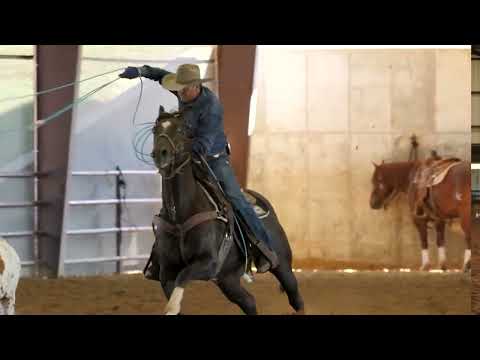
Watch: How to Teach a Head Horse to Rate Without Quitting
▶
Tuning a Ratey Head Horse — Teaching Rate Without Quitting
Rope Horse Training