The threshold for too much cattle work on a young rope horse is lower than most ropers want it to be, and exceeding it consistently is one of the most reliable ways to create a horse that is hot, sour, or physically broken down before it reaches its potential. Young horses are building physical strength, developing joint and soft tissue resilience, and forming their fundamental associations with the work simultaneously — and all three of those processes are undermined by excessive volume. Physically, the stops, turns, and repetitive gate departures of cattle work place significant stress on hocks, stifles, and soft tissue structures that are still maturing in a two and three-year-old horse. More cattle runs than the horse's body can absorb and recover from between sessions accumulates damage that may not be visible until the horse is older and in heavier work. Mentally, young horses have limited attention spans and emotional reserves, and sessions that go past the point of genuine engagement produce a horse that is going through the motions rather than learning. The practical guideline is to keep young horse cattle sessions short — four to six focused runs on appropriate cattle is often sufficient — with emphasis on quality of response over quantity of repetitions. Rest days matter as much as work days for young horses in development. The most successful rope horse programs build young horses slowly enough that the horse arrives at four and five years old sound, confident, and with its training intact rather than over-used and compensating for physical wear. The horses that last the longest in competition careers are almost always the ones that were not asked to do too much too soon.
Find the Right Trainer
1,700+ verified trainers across Arizona and the Southwest
Find My Trainer →
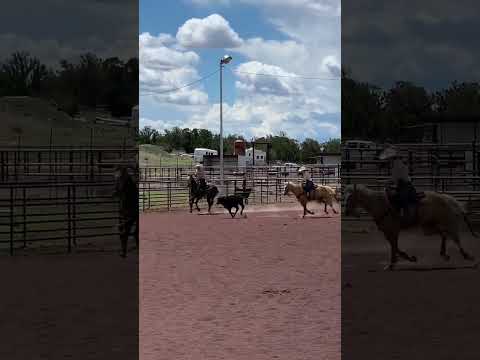
Watch: How Much Cattle Work Is Too Much for a Young Rope Horse
▶
Slow and Easy Rope Horse Training — How Much Cattle Work Is Too Much
Rope Horse Training