The correct amount of rate in a head horse is exactly enough to put the header in the right position at the right moment — no more and no less. Rate is not a fixed speed reduction but a dynamic adjustment to the steer's pace, and a head horse with correct rate reads each steer individually and settles to the speed that places the header's body at the steer's head and neck at the moment the loop is ready to deliver. Too little rate and the horse runs past the steer or crowds it from behind, giving the header a chasing angle rather than a delivery position. Too much rate and the horse backs off the steer and leaves the header short, throwing a stretched loop from too far out. The amount of rate also varies with cattle speed: a slow steer demands more rate from a naturally fast-closing horse, while a fast steer may require almost no rate reduction at all if the horse is simply matching its speed. What never changes is the end result — the horse arriving at the correct position alongside the steer with enough time for the header to establish a swing and deliver. Horses that rate to a fixed speed regardless of cattle pace are executing a memorized response rather than reading the run, and their rate will be wrong as often as it is right depending on the steer. The goal is a horse that regulates its arrival at the steer based on where the steer is and how fast it is moving, which is feel developed through varied cattle exposure rather than a specific rate point drilled through repetition.
Find the Right Trainer
1,700+ verified trainers across Arizona and the Southwest
Find My Trainer →
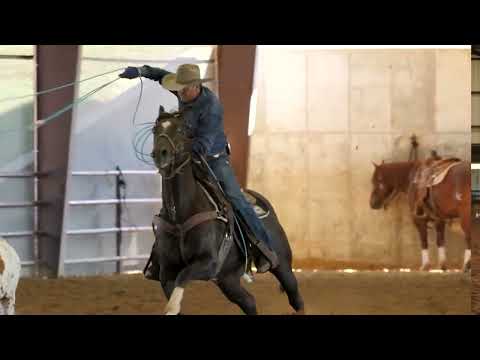
Watch: How Much Rate a Head Horse Should Have
▶
Tuning a Ratey Head Horse — How Much Rate a Head Horse Should Have
Rope Horse Training