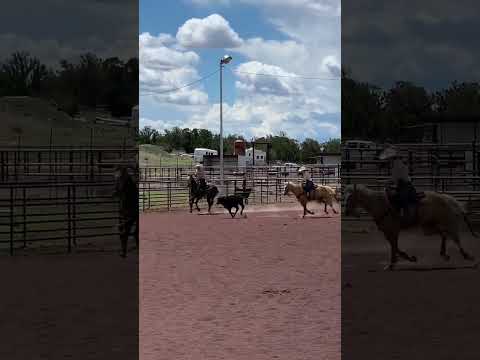
Roping every steer in every practice run is one of the most reliable ways to build a horse that becomes mechanical, anticipatory, and eventually difficult to manage — because the horse learns that every run ends the same way and begins to execute that ending on its own schedule rather than the rider's. The short answer is no, and the reasons go beyond simply keeping the horse guessing. A horse that knows a catch always follows a run begins to anticipate the stop, the face-up, and the tension on the rope before the roper has delivered the loop — it is finishing the run in its head before the run is actually over. Varying the outcome breaks that fixed internal program: sometimes follow the steer without throwing, sometimes throw and miss deliberately, sometimes rate and stop short without a delivery at all. Each variation requires the horse to wait for what actually happens rather than running its memorized sequence. There is also a physical argument for not roping every steer: the stop, the dally hold, and the face-up put repeated stress on the horse's joints and soft tissue structures, and reducing the number of full competitive-effort runs in a practice session while maintaining the other elements of the training extends the horse's useful working life. The best practice sessions mix full runs with approach work, rate work, box work, and deliberate non-catches in a ratio that keeps the horse's responses sharp without grinding its body or locking its brain into a single fixed pattern.
Find the Right Trainer
1,700+ verified trainers across Arizona and the Southwest
Find My Trainer →
Watch: Should You Rope Every Steer When Training a Rope Horse
▶
Slow and Easy Rope Horse Training — Should You Rope Every Steer When Training
Rope Horse Training