A head horse dropping its inside shoulder through the turn is collapsing the arc rather than bending correctly through its body, and the result is a turn that either pulls the steer too sharply or loses the horse's balance and forward drive at the worst possible moment. The dropped shoulder tips the horse's weight to the inside, shortens the stride on the inside front leg, and produces a tight, falling turn rather than a balanced, forward arc. There are three common causes. The first is rider error: pulling the inside rein down and back rather than opening it to the side creates a downward pressure that tips the horse's nose and shoulder toward the ground rather than guiding the arc horizontally. The inside rein in the turn should open and guide, not pull down. The second cause is a horse that lacks the core strength and suppleness to bend correctly through a turn under load — the steer on the end of the rope adds significant resistance, and a horse that can turn cleanly without load may drop its shoulder when that resistance is present because it does not have the athletic development to maintain correct form under pressure. Building suppleness through lateral work, correct loping circles, and gymnasticizing exercises away from cattle develops the physical capacity to hold the correct form through a loaded turn. The third cause is speed: horses asked to turn harder and faster than their current training supports default to dropping the shoulder as the easiest path through the arc. Slowing the turn down to a speed where the horse can maintain correct form, then building pace incrementally, produces a cleaner turn than demanding speed before the form is confirmed.
Find the Right Trainer
1,700+ verified trainers across Arizona and the Southwest
Find My Trainer →
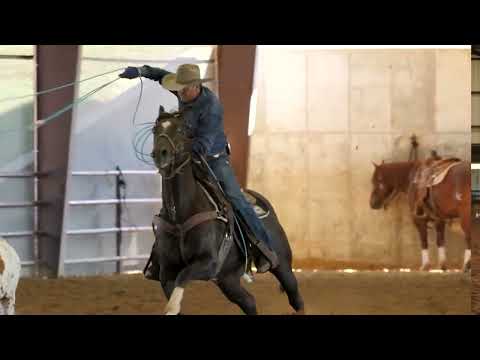
Watch: What Causes a Head Horse to Drop Its Shoulder in the Turn
▶
Tuning a Ratey Head Horse — Why Head Horses Drop Their Shoulder in the Turn
Rope Horse Training