A good head horse needs to master a specific sequence of skills that begins before the steer leaves the chute and ends with the heeler's rope on the ground — and each element in that sequence must be confirmed deeply enough to hold up under competition pressure. In the box, the horse must stand quietly, score correctly, and break hard and straight when asked. On the run, it needs to close aggressively on the steer, hold position at the steer's left shoulder without drifting wide or crowding in, and give the header a consistent, stable platform to swing and deliver from. The head horse must tolerate a rope swinging overhead at speed without flinching, ducking, or changing stride — a horse that reacts to the loop affects the header's delivery and timing every single run. After the catch, the horse must respond immediately to the dally and the turn cue, arcing left in a smooth, controlled curve that draws the steer into position without jerking it off its feet or letting it swing wide. The pace through the turn must stay consistent — a horse that slows too much through the arc allows the steer to bunch up and takes away the heeler's shot, while one that continues too fast swings the steer's hind end wide and produces the same result. Finally, the head horse must hold steady, forward tension after the heeler's rope is set — pulling the steer straight and keeping it taut without the rider actively managing it. Each of these responses is a separate skill that must be trained individually before the full run is asked.
Find the Right Trainer
1,700+ verified trainers across Arizona and the Southwest
Find My Trainer →
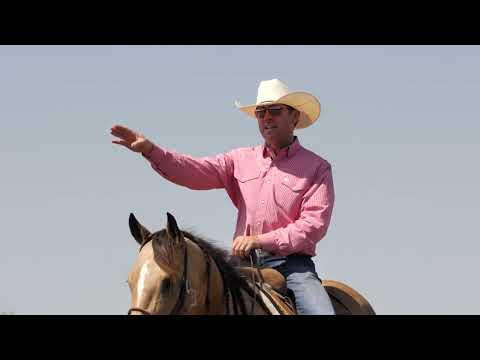
Watch: What a Good Head Horse Needs to Know
▶
Trevor Brazile: Addressing Backsliding in Head Horses — What a Head Horse Must Know
Roping.com