Rate in a rope horse refers to the horse's ability to regulate its own speed relative to the cattle — slowing, matching, and holding a pace that keeps the horse in the correct position for the roper to do their job rather than running at the horse's own preferred speed regardless of what the cattle are doing. It is one of the most important and most discussed qualities in rope horse development because without rate the roper is constantly fighting the horse's pace instead of focusing on the rope. Rate is not a single fixed speed reduction: it is a dynamic, continuous adjustment that changes with every steer. A fast steer may require very little rate reduction from the horse; a slow steer may require the horse to collect significantly to avoid overrunning. The horse with genuine rate reads each steer and adjusts accordingly rather than applying a memorized speed change at a fixed point in the run. For a head horse, rate means arriving at the steer's head and neck at the correct moment for the header's delivery. For a heel horse, rate means tracking the corner at a pace that puts the heeler in the delivery position as the turn completes. In both cases rate is about arrival position, not about a specific speed, and the distinction matters because a horse trained to a fixed rate will be wrong as often as it is right when cattle speeds vary. True rate is feel, and feel is built through miles on varied cattle rather than through any single training exercise.
Find the Right Trainer
1,700+ verified trainers across Arizona and the Southwest
Find My Trainer →
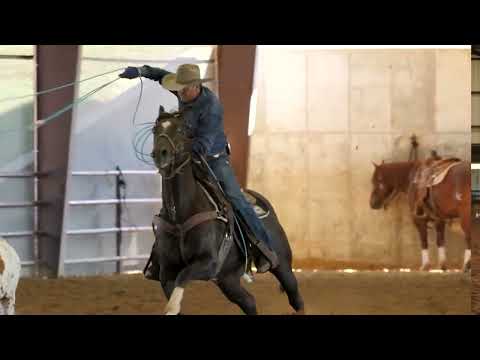
Watch: What Rate Means in a Rope Horse
▶
Tuning a Ratey Head Horse — What Rate Means in a Rope Horse
Rope Horse Training