Safety for an amateur rider in the roping pen comes from a specific set of qualities that reduce the number of decisions and adjustments the rider must make during a run — because the amateur does not yet have the timing, feel, or reflexes to manage a difficult horse and rope cattle simultaneously. The safest rope horse for an amateur is one that is forgiving of imperfect cues: it rates consistently even when the rider's position is not textbook, it stops when asked even if the ask comes a stride late, and it does not escalate or change its behavior when the roper makes a mistake. Horses that require precise, perfectly timed cues to produce correct behavior are horses for experienced riders who can deliver those cues consistently — they are not amateur horses regardless of how good they are in the right hands. The amateur horse also needs to be mentally quiet: it should not get hot or excited when things go wrong, should not escalate with a nervous rider, and should be consistent enough that the amateur can build confidence rather than spending every run managing the horse's emotions. A well-broke, patient horse with a little age and miles on it — one that has seen every situation the roping pen produces and has a history of handling it calmly — is almost always a safer choice for an amateur than a younger, more talented horse with less experience. The amateur improves fastest on a horse that compensates for their mistakes rather than punishing them.
Find the Right Trainer
1,700+ verified trainers across Arizona and the Southwest
Find My Trainer →
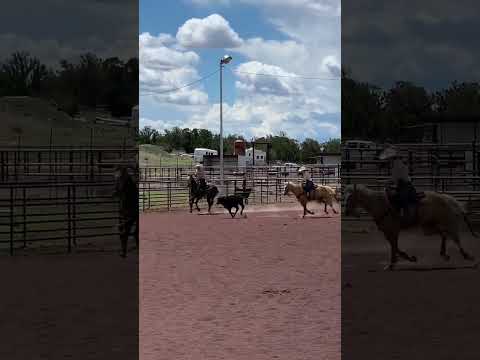
Watch: What Makes a Rope Horse Safe for an Amateur Rider
▶
Slow and Easy Rope Horse Training — What Makes a Rope Horse Safe for an Amateur
Rope Horse Training