After the header makes the catch and dallies, the head horse's job shifts immediately from closing and positioning to drawing the steer into a controlled arc that sets the heeler up for the best possible shot. The horse should respond to the dally and the rider's turn cue by arcing left in a smooth, forward curve — maintaining enough pace through the turn to keep the steer's body moving and its hind feet tracking rhythmically, which is what gives the heeler a readable stride to time the delivery against. The turn cannot be too tight or too sharp: a head horse that cranks hard left immediately after the catch jerks the steer's front end around and pops the hind end wide, taking the heeler out of position and producing an awkward or impossible delivery angle. It cannot be too wide or too slow either, because a lazy turn lets the steer straighten, run, and drag the header rather than drawing into position. The correct arc is gradual and forward, with the steer's head pulled toward the header's right hip and the steer tracking in a leftward curve that brings its hind feet into the heeler's lane. Once the heeler has delivered and the catch is made, the head horse's final job is to hold steady forward tension on its rope — pulling the steer straight and keeping both ropes taut while the flag drops. A head horse that relaxes after the heeler's catch, drifts, or turns back toward the steer releases the tension that keeps the run legal and the time official. Holding through the flag is the last detail of a complete run and one that finished head horses do automatically.
Find the Right Trainer
1,700+ verified trainers across Arizona and the Southwest
Find My Trainer →
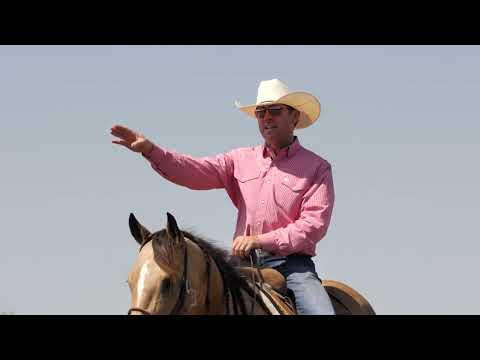
Watch: What a Head Horse Should Do After the Catch
▶
Trevor Brazile: What the Head Horse Should Do After the Catch
Roping.com