A head horse that will not face — that drifts, turns away, or relaxes tension after the heeler's catch rather than holding steady and squaring up — is failing at the last piece of a complete run, and the cause is almost always that facing was never specifically trained as a required behavior. Most training sessions focus on the break, the rate, the catch, and the turn — and then the horse is allowed to drift and relax once the heeler's loop goes on. The horse learns that its job ends at the turn, and facing becomes an optional extra rather than a confirmed response. The fix is to make holding through the catch and facing deliberately part of every practice run. After the turn and the heeler's delivery, apply leg to keep the horse moving forward and hold it straight and taut until you release it intentionally — do not allow it to stop, drift, or relax on its own. Over repetitions the horse learns the run is not finished until the rider releases, not until the heeler's loop lands. Some horses that refuse to face are doing so because holding the rope at the dally is uncomfortable — check your dally position and whether the horse is being asked to hold against excessive rope tension or an awkward angle that creates pressure through the saddle horn and tree. A horse that has been jerked hard at the dally in previous runs may be associating the face with a painful experience and backing away from the tension rather than into it. Address any physical discomfort first, then rebuild the facing response through progressive work where the tension at the hold is gradual and the horse is rewarded for stepping into and holding the pressure rather than drifting away from it.
Find the Right Trainer
1,700+ verified trainers across Arizona and the Southwest
Find My Trainer →
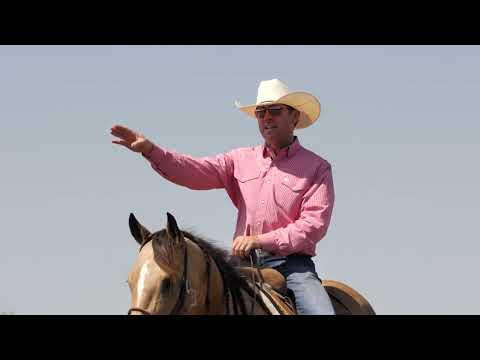
Watch: Why Your Head Horse Won't Face After the Run
▶
Trevor Brazile: Why Head Horses Stop Facing — Diagnosis and Fix
Roping.com