The canter is typically the third gait introduced to a young horse under saddle, after the walk and trot are established with reasonable consistency and relaxation. The transition to the canter places different physical demands on the horse than the trot — it requires the horse to engage its hindquarters more significantly, maintain a three-beat rhythm, and balance a rider's weight through a more complex footfall pattern — and introducing it before the horse has developed sufficient strength and balance at the trot will produce a disorganized, difficult canter that is hard to improve. The canter is first introduced in a direction where the horse naturally tends to pick up the correct lead more easily, typically toward the gate or toward the other horses in the herd if they are visible. The aid for the canter depart is applied with the inside leg at the girth driving forward, the outside leg behind the girth signaling the lead, and a light inside rein to maintain direction and slight flexion. A young horse that picks up the correct lead, maintains the three-beat rhythm for even a short distance, and returns to the trot when asked has successfully accomplished its first canter lesson regardless of how balanced or smooth the canter was. The duration and quality of the canter is developed gradually over subsequent sessions as the horse's strength and balance develop. Common problems in early canter work include picking up the wrong lead, breaking back to the trot prematurely, and cantering with a tense, choppy stride rather than a relaxed, swinging one — all of which are addressed through patient repetition, balance development, and consistent, clear application of the canter aid.
Find the Right Trainer
1,700+ verified trainers across Arizona and the Southwest
Find My Trainer →
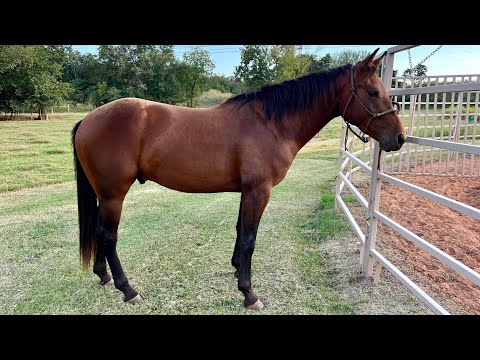
Watch: How to Introduce the Canter to a Young Horse Under Saddle
▶
60-Day Colt Starting — How to Introduce the Canter to a Young Horse Under Saddle
Low Stress Horsemanship