Knowing when a green horse is genuinely ready to advance is one of the most important and most subjective judgments a trainer must make repeatedly throughout the early training process, and making it correctly requires reading the horse accurately and resisting both the impatience to advance too quickly and the excessive caution that prevents advancement when the horse is clearly ready. Both errors cost time — the former by creating training gaps that must later be addressed, the latter by allowing the horse to stagnate at a level he has already mastered. The clearest indicators of readiness to advance are positive behavioral signs rather than simply the absence of problems. A horse that is ready to advance shows consistent, relaxed responses to the current level of work across multiple sessions and in varying conditions — not just on a good day or after a long warm-up, but reliably enough that the trainer would feel confident asking for the work in front of an observer. The work should feel easy and comfortable for the horse, shown by a soft eye, relaxed ears, quiet breathing, and the absence of tension through the back and jaw. When the current work feels this confirmed and effortless, the foundation for the next level is solid. A useful practical test is to intentionally make the current work slightly more difficult — asking for better quality transitions, more precise responses, or sustained work for longer than usual — and observing whether the horse meets the increased demand with willingness and ability or with tension and confusion. A horse that rises to the increased demand, even imperfectly, is demonstrating the capacity that the next training level will require. A horse that becomes tense, confused, or resistant when quality is demanded more precisely is showing that the foundation is not yet solid enough to build upon. Physical readiness must also be assessed alongside mental readiness. A horse may mentally understand what is being asked before he has the muscular development to sustain it, and advancing the training mentally while the body cannot keep up produces tension and compensation patterns that become training problems. Observing whether the horse maintains quality through the length of the session or loses it progressively as fatigue sets in is one of the most useful indicators of whether the physical conditioning supports the level of work being asked.
Find the Right Trainer
1,700+ verified trainers across Arizona and the Southwest
Find My Trainer →
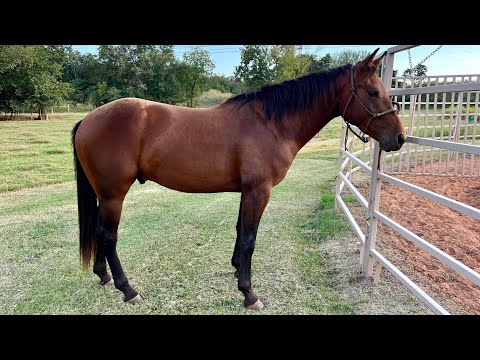
Watch: How to Know When a Green Horse Is Ready to Advance to More Demanding Work
▶
60-Day Colt Starting — How to Know When a Green Horse Is Ready to Advance
Low Stress Horsemanship