Structuring a training session for a young horse requires a clear understanding of what the horse is ready to learn, what prerequisite skills need to be confirmed before new ones are introduced, and how long the horse can remain mentally focused before its quality of engagement begins to decline. A well-structured early training session follows a consistent general sequence — a warm-up period at a forward, relaxed pace that allows the horse to stretch and relax its topline, followed by the main work of the session which focuses on one or two specific training objectives, and ending with a cool-down period of quiet, low-demand work that allows the horse to finish the session in a relaxed and positive state. The warm-up should not be rushed. A young horse that is tense, stiff, or distracted at the beginning of a session needs time to settle and relax before quality learning can occur, and asking for new or demanding work before the horse has relaxed produces poor quality responses that reinforce incorrect patterns. The main work portion of the session should focus on a specific objective — developing a particular transition, introducing a new movement, refining an existing response — and should end the moment the horse offers a quality effort in the right direction, even if that comes sooner than expected. Ending on a positive response, regardless of how early in the session it occurs, teaches the horse that correct effort ends the work and is the most powerful reward available. The cool-down period reinforces the session's positive close and ensures the horse finishes its work in a calm, comfortable state that it will associate with the overall training experience.
Find the Right Trainer
1,700+ verified trainers across Arizona and the Southwest
Find My Trainer →
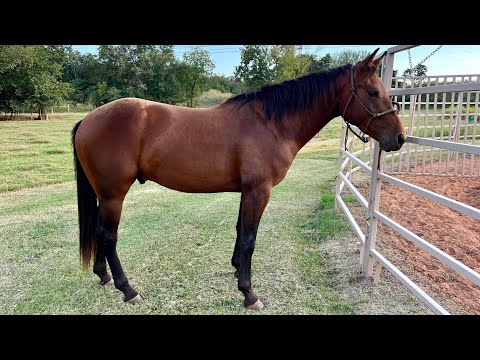
Watch: How to Structure a Training Session for a Young Horse in Early Development
▶
60-Day Colt Starting — How to Structure a Training Session for a Young Horse
Low Stress Horsemanship