Working with an excitable horse is one of the most common challenges in horsemanship, and the responses that feel most instinctive in the moment — holding on tighter, working harder, pushing through the energy — are frequently the ones that make the problem worse. Understanding the nature of excitability in horses, and the approaches that genuinely reduce it over time, produces lasting improvement where reactive management strategies produce only temporary suppression. The first and most important principle is to never try to work a genuinely excited horse into a calm state through increasing demands. The idea that tiring a horse out will settle him is partially true for horses with excess physical energy, but for horses that are genuinely anxious or emotionally aroused, adding more stimulus — faster work, more complex exercises, stronger leg and rein aids — raises the arousal level rather than lowering it. An anxious horse asked to work harder becomes a more anxious horse working harder, and the association between the training environment and high arousal becomes stronger with each such session. The most effective early approach with an excitable horse is to slow everything down deliberately and radically. Walk. Walk slowly and quietly. Walk on a long rein without collection demands. Walk in large, flowing patterns that give the horse somewhere to go without creating restriction or pressure. The walk is the gait of relaxation, and spending extended time at the walk — fifteen to twenty minutes if necessary — before asking for trot allows the horse's nervous system to shift out of the high-arousal state and toward the calmer baseline where learning and responsive training is possible. Many riders skip this settling walk because they interpret it as wasted time, but for excitable horses it is the most productive thing they can do. Breathing is a tool that most riders underuse with excited horses. The rider's own tension, tight breathing, and physical bracing transmit directly to the horse through the seat, leg, and rein contact in ways the horse cannot ignore. Deliberately exhaling, softening the shoulders, dropping the weight into the stirrups, and consciously relaxing the following muscles of the lower back communicates a physiological message of calm that the horse reads and begins to mirror. Horses are exquisitely sensitive to the emotional state of the person handling them, and a rider who can genuinely relax rather than just trying to appear calm will produce a faster calming response in the horse than any training exercise alone. Consistent daily routine is one of the most powerful long-term tools for managing excitable horses. A horse that is turned out at the same time, fed at the same time, worked at the same time, and exposed to the same management routine every day has a predictable world that reduces the baseline anxiety that feeds excitability. Novel situations and irregular schedules are genuine stressors for horses that are temperamentally anxious, and reducing unnecessary environmental unpredictability reduces the background noise of arousal that makes excitable horses hard to settle in the first place. Systematic desensitization to the specific triggers of excitability is the most important training tool available. An excitable horse that spooks at flags, at other horses, at the gate, or at specific locations in the arena needs progressive, controlled exposure to those triggers at a level of intensity he can manage without going over his arousal threshold — and gradual increase of that intensity as he demonstrates calmness at each level. This process takes weeks or months rather than sessions, but it produces genuine reduction in reactivity rather than management of a horse that remains anxious but suppressed. Finally, diet and turnout have meaningful effects on excitability that should not be overlooked. High-sugar, high-starch feeds and limited turnout are two of the most consistent contributors to excitability in domestic horses, and addressing both — transitioning to lower-starch forage-based diets and maximizing turnout time — frequently produces a measurable reduction in baseline excitability that makes all of the training approaches above more effective and more quickly successful.
Find the Right Trainer
1,700+ verified trainers across Arizona and the Southwest
Find My Trainer →
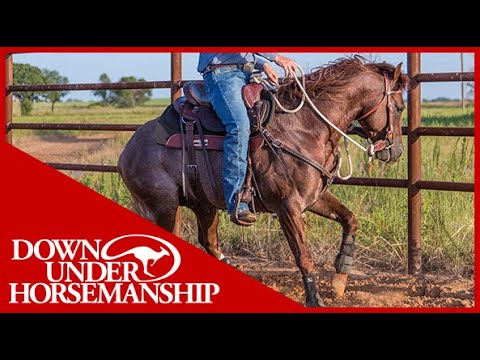
Watch: The Best Tips for Calming an Excitable Horse
▶
Clinton Anderson: Working With Hot and Busy-Minded Horses — Best Tips for Calming an Excitable Horse
Downunder Horsemanship