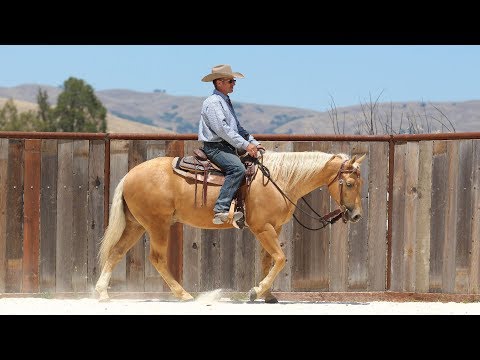
Desensitization is the process of reducing a horse's fear response to specific stimuli through controlled, progressive exposure that keeps the horse within a learnable range of arousal while building a history of safe encounters with the stimulus. It is distinct from flooding — overwhelming the horse with the frightening stimulus until it stops reacting — which may produce apparent acceptance while actually suppressing the fear response rather than genuinely resolving it. True desensitization produces a horse that is genuinely untroubled by the desensitized stimulus, not one that has learned escape is impossible. The process applies to an enormous range of stimuli encountered throughout a horse's working life — tarps, flags, plastic bags, water, bridges, unusual sounds, clippers, spray bottles, ropes, trailers, and the movement of the rider's slicker — and the principles governing effective desensitization are consistent across all of them. The answers below address both the general principles and the specific techniques recommended for the stimuli most commonly encountered in horse training, drawing on the approaches of leading trainers to provide clear, step-by-step guidance.
All Questions
37 answersQ 01 of 37
My horse seems scared of everything — where do I start?
A horse that appears scared of everything is usually a horse that has never been taught to process fear, not a horse with an unusually high number of specific phobias. The response — heightened alertness, flight tendency, difficulty settling — is a personality and training baseline, not a list of…
Read full answer →Q 02 of 37
How do you prepare a horse for gunfire and shooting sports like mounted shooting?
Preparing a horse for gunfire is one of the most systematic desensitization processes in western horse training, and it must be done correctly because rushing a horse to gunfire before it is ready creates a fear response to the sound that is extremely difficult to extinguish after the fact. Clinton…
Read full answer →Q 03 of 37
How do I get my horse comfortable around traffic and road noise?
A horse that encounters traffic on trail rides or lives near a road needs to accept the sound, movement, and smell of vehicles without reactive behavior that puts horse and rider at risk. The desensitization process for traffic follows the same principles as other stimuli but adds the variable that…
Read full answer →Q 04 of 37
What does Warwick Schiller say about the difference between a horse that is calm and a horse that is shut down?
Warwick Schiller's distinction between a calm horse and a shut-down horse is one of his most important contributions to the understanding of desensitization work, and it has practical implications for how desensitization is evaluated and conducted. A calm horse is genuinely relaxed and unafraid. Its nervous system is regulated, it…
Read full answer →Q 05 of 37
How do I build confidence in a fearful or anxious horse?
Confidence in a fearful horse is built through accumulated successful experiences — not through exposure to increasingly frightening things, but through repeated encounters with challenges the horse can manage and work through successfully. The horse that handles a mild challenge, settles, and moves on builds a history of coping that…
Read full answer →Q 06 of 37
Explain the process of teaching a horse to stand on a high stump with its front legs for desensitization and mind control?
Teaching a horse to place his front feet up on an elevated surface — a large stump, a wooden platform, or a similar solid raised object — is one of the more powerful desensitization and confidence-building exercises available in ground work, and its value goes well beyond the novelty of…
Read full answer →Q 07 of 37
What does Warwick Schiller say about the role of self-confidence in desensitization — can a horse be confident without a confident rider?
Warwick Schiller's answer to whether a horse can be genuinely confident without a confident rider is nuanced and ultimately no — not reliably, and not in the situations that matter most. His reasoning draws on the safe base concept and on his understanding of how horses regulate their emotional states…
Read full answer →Q 08 of 37
What does Warwick Schiller teach about desensitizing a horse that was traumatized by a specific event?
A horse traumatized by a specific event — a bad fall, a wire fence injury, a trailer accident, a frightening veterinary procedure — presents a different desensitization challenge than a horse that simply lacks exposure to a stimulus. Warwick Schiller addresses this distinction carefully because the standard approach to desensitization…
Read full answer →Q 09 of 37
How do you desensitize a horse to flags and plastic bags — two of the most common trail and show spook triggers?
Flags and plastic bags are among the most commonly encountered spook triggers for horses in both show and trail environments, and Clinton Anderson addresses both directly in his training program because they appear in so many practical contexts — parade routes, showgrounds, trailheads, and roadsides. For plastic bags, Anderson begins…
Read full answer →Q 10 of 37
What is desensitization and how does it differ from sacking out?
Desensitization and sacking out are related but distinct concepts in horse training, and understanding the difference matters because they work through different psychological mechanisms and produce different qualities of confidence in the horse. Desensitization in its modern natural horsemanship application is a systematic process of exposing the horse to potentially…
Read full answer →Q 11 of 37
How do you desensitize a horse to a rain slicker or jacket that the rider puts on while mounted?
A rider putting on or taking off a rain slicker or jacket while mounted is a surprisingly common trigger for horse accidents, because the slicker's visual movement, its crinkle noise, and the fact that it suddenly appears above and beside the horse from an unexpected direction all combine into a…
Read full answer →Q 12 of 37
What is desensitization and why is it important in ground training?
Desensitization is the process of exposing a horse to potentially frightening stimuli in a controlled, progressive way until the horse learns that those stimuli are not dangerous and do not require a flight response. It is one of the most important elements of ground training because a horse that spooks…
Read full answer →Q 13 of 37
What is Anderson's flag exercise and how does it develop a horse's tolerance for movement near its body?
Clinton Anderson's flag exercise — using a training flag or stick with a plastic bag attached — is one of his most frequently demonstrated and most versatile desensitization tools because the flag combines visual movement, sound, and physical contact into a single controllable stimulus that the handler can adjust in…
Read full answer →Q 14 of 37
How does Pat Parelli's Friendly Game address desensitization and what are the key principles?
Pat Parelli's Friendly Game is the first of his Seven Games specifically because without it, none of the other games can be played safely or effectively. A horse that does not trust the human cannot learn from the human, and the Friendly Game is the systematic process of building that…
Read full answer →Q 15 of 37
How do you maintain desensitization over time and prevent horses from reverting to old fears?
Desensitization is not a one-time achievement — it requires maintenance to remain reliable, and Clinton Anderson is specific about this because horse owners who desensitize a horse thoroughly and then stop practicing are often surprised when the horse reverts several months later. Anderson's explanation of reversion is straightforward: the nervous…
Read full answer →Q 16 of 37
How does Pat Parelli approach desensitizing a horse to water crossings and water obstacles?
Water crossings are a practical necessity for trail horses and a scored obstacle in trail and working equitation competitions, and Pat Parelli's approach draws on the same Friendly Game principles he applies to all desensitization while adding specific considerations for the unique properties of water as a stimulus. Parelli identifies…
Read full answer →Q 17 of 37
How do I desensitize a spooky horse to frightening objects and situations?
A spooky horse is not a bad horse — it is a horse that has a highly reactive nervous system and has not yet been given enough positive experience with the world outside its comfort zone to trust that unfamiliar things are manageable. Desensitization is the systematic process of exposing…
Read full answer →Q 18 of 37
How do you desensitize a horse to bicycles, vehicles, and moving objects on the trail?
Bicycles and vehicles are high-priority trail desensitization targets because they move unpredictably, approach from behind, make unusual sounds, and can appear suddenly at close range — a combination that triggers even well-desensitized horses that have not been specifically exposed to them. Clinton Anderson's approach to vehicle desensitization begins in a…
Read full answer →Q 19 of 37
What is Clinton Anderson's approach to desensitizing a horse to ropes and a lariat?
Ropes are an essential desensitization target for working western horses, and Clinton Anderson dedicates significant teaching to rope desensitization because the rope is involved in so much of western horse work — roping cattle, ponying other horses, trail riding near pack strings, and daily groundwork with a lead rope. Anderson's…
Read full answer →Q 20 of 37
How do you know when desensitization training is complete and the horse is genuinely ready for real-world exposure?
Knowing when desensitization training is complete — when a horse is genuinely ready for the real-world situation rather than just performing adequately in a controlled training environment — is a judgment call that Clinton Anderson, Pat Parelli, and Warwick Schiller all address, and their criteria are more specific than simply…
Read full answer →Q 21 of 37
How do you desensitize a horse to being sprayed with a hose or fly spray?
Desensitizing a horse to spray — whether water from a hose or fly spray from a bottle — follows the same progressive exposure principles used for other desensitization work, but there are specific considerations for spray that make the sequence different from object desensitization. Clinton Anderson begins hose desensitization at…
Read full answer →Q 22 of 37
How does Clinton Anderson's Desensitize and Sensitize framework work and why are both halves necessary?
Clinton Anderson's Desensitize and Sensitize framework is one of the most conceptually important structures in his Downunder Horsemanship program because it addresses both halves of what makes a horse safe and useful — and he teaches that most horse owners do only one half, which produces a horse that is…
Read full answer →Q 23 of 37
How do you sack out a young horse and why is it important?
Sacking out is one of the oldest and most practically effective desensitization techniques in western horsemanship — the process of systematically exposing a young horse to frightening objects, sounds, and sensations by rubbing, waving, and touching those objects all over the horse's body until he accepts them calmly and without…
Read full answer →Q 24 of 37
How do you desensitize a horse to tarps, tarps in trees, and tarps blowing in wind?
A stationary tarp on the ground and a tarp blowing in a tree are effectively two different stimuli for a horse, and desensitizing to one does not automatically transfer to the other. Clinton Anderson addresses the progression from static to dynamic tarp exposure as a systematic sequence that builds the…
Read full answer →Q 25 of 37
My horse does not like his back feet messed with how can I desensitize him so we can shoe him better?
A horse that is defensive about his hind feet is a genuine safety issue, and it is one that needs to be addressed systematically and without shortcuts — because a horse that kicks while the farrier is working is a horse that is going to injure someone eventually. The good…
Read full answer →Q 26 of 37
What does Parelli teach about using other horses to help desensitize a fearful horse?
Pat Parelli explicitly incorporates the social learning capacity of horses into his desensitization approach, recognizing that horses are herd animals whose assessment of environmental safety is deeply influenced by the behavior of other horses around them. Parelli's observation is that a horse watching a confident, calm herd mate navigate a…
Read full answer →Q 27 of 37
How do I get my horse comfortable with flags, tarps, and plastic bags?
Flags, tarps, and plastic bags share a common characteristic that makes them alarming to horses: they move unpredictably, make noise, and look unlike anything the horse encounters in a natural environment. The horse's visual system is highly sensitive to movement at the periphery, and objects that flap or billow trigger…
Read full answer →Q 28 of 37
How do I desensitize a horse properly?
Desensitization done correctly teaches a horse to process and habituate to a stimulus rather than react to it. Done incorrectly — too fast, too intense, without adequate release — it teaches the horse that scary things are followed by worse things, which increases reactivity rather than reducing it. The foundational…
Read full answer →Q 29 of 37
How do you desensitize a horse to crowds, noise, and the show environment?
The show environment combines stimuli that individually might not concern a well-prepared horse but that together — crowd noise, loudspeaker announcements, flags, other horses, unfamiliar footing, different smells — create a cumulative activation level that exceeds many horses' normal tolerance threshold. Clinton Anderson, Pat Parelli, and Warwick Schiller all address…
Read full answer →Q 30 of 37
What is the correct process for sacking out a horse?
Sacking out is the traditional term for desensitizing a horse to contact with objects — originally saddle blankets, slickers, and ropes — by rubbing, swinging, and draping them over the horse's body until it accepts them without alarm. Done with patience and timing, it builds a horse that accepts unusual…
Read full answer →Q 31 of 37
How do you desensitize a horse to bridges, elevated surfaces, and unusual footing?
Bridges, elevated wooden platforms, metal grates, and unusual footing surfaces are common obstacles on competitive trail courses and practical challenges on real trails, and desensitizing a horse to them requires addressing two separate concerns: the visual and auditory stimulus of the unusual surface and the proprioceptive challenge of walking on…
Read full answer →Q 32 of 37
How do I desensitize a horse to water, bridges, and unusual footing?
Horses are cautious about surfaces they cannot read — water that obscures the bottom, bridges that flex or make sound underfoot, mud that feels different from familiar ground. This is not stubbornness; it is a survival response that served the wild horse well and requires patient training to override in…
Read full answer →Q 33 of 37
How do I desensitize a horse to cows?
A horse that has never been around cattle often finds them genuinely alarming — they smell different, move unpredictably, and make sounds the horse has no frame of reference for. Desensitizing to cattle follows the same threshold management principles as any other desensitization but requires access to calm, manageable cattle…
Read full answer →Q 34 of 37
How does Clinton Anderson desensitize a horse to a tarp and why is the tarp a useful training tool?
Clinton Anderson uses the tarp as a multi-sensory desensitization tool because it combines three things horses commonly find alarming: unusual visual appearance, unexpected noise when it moves, and an unfamiliar texture underfoot. A horse that is genuinely comfortable with a tarp has addressed several categories of fear simultaneously, which tends…
Read full answer →Q 35 of 37
How do I handle a horse that spooks on the trail and get it more confident?
Trail spookiness is best addressed through a combination of at-home desensitization and systematic trail experience that gradually builds the horse's confidence in its rider and in its own ability to handle novel situations. At home, work on desensitization to the categories of things that spook horses on trails: unusual objects,…
Read full answer →Q 36 of 37
What is the difference between habituation and flooding in desensitization and why does the distinction matter?
Habituation and flooding are two different psychological mechanisms by which a horse can stop reacting to a frightening stimulus, and the distinction between them matters enormously because they produce completely different outcomes for the horse's long-term confidence and safety. Habituation is the natural process by which repeated, non-harmful exposure to…
Read full answer →Q 37 of 37
How do I train a spooky horse?
Training a spooky horse requires a fundamental shift in how you think about the problem. Spookiness is not disobedience — it is a prey animal responding to perceived threat exactly as nature designed it to. Trying to suppress that response through punishment or force does not build a safer horse;…
Read full answer →📹 Desensitization & Sacking Out Videos