The circle is the ideal starting geometry for introducing ground driving because it gives the handler a familiar, controlled framework that both horse and trainer already understand from longe work — and uses that familiarity to bridge the gap between the single-line longe and the two-line driving setup without disrupting the horse's confidence or forward movement. Transitioning directly to straight-line driving before the horse understands two-rein contact from behind is one of the most common mistakes in ground driving introduction, and the circle avoids it entirely. The foundation of this transition begins in the final stages of longe work, when the horse is reliably forward, responsive to voice commands, and comfortable with the handler at varying distances. The first step toward driving on a circle is to attach the second line — the outside line — while continuing to longe on a single inside line, allowing the outside line to drape loosely across the horse's back and hindquarters without being actively used. The horse works his normal longe circle while gradually becoming accustomed to the feel of something resting along his outside and the slight movement of the line against his barrel and hip. Most horses accept this addition within a few minutes of calm work if their desensitization preparation has been thorough. Once the horse works freely with the outside line draped passively, the handler begins to pick up light contact on that outside line while maintaining the inside line as the primary directing rein. At this stage the handler is still positioned as in normal longeing — near the center of the circle, not behind the horse — which keeps the geometry familiar and gives the horse a comfortable reference point for the handler's position. The outside line, held with light contact, simply confirms that the handler is present on both sides of the horse's communication system without yet creating strong rein pressure from behind. The transition to the driving position happens as the handler slowly migrates from the center of the circle toward the track the horse is traveling on, moving from the longe position to a position behind and to the inside of the horse's hindquarters. This movement is gradual — a step or two per session initially — maintaining the circular geometry throughout so the horse continues on his familiar track while the handler's position shifts. The circle provides a built-in directing aid during this transition: the inside line asks the horse to maintain bend and stay on the curve, and the horse's trained understanding of moving away from inside rein pressure keeps him traveling forward and around while the handler finds his driving position. As the handler reaches a true driving position — behind and to one side, with both lines actively guiding the horse through the circle — the circle geometry continues to assist in several important ways. Turning is simpler on a circle than on a straight line because the horse is already bending and the inside rein is already doing directional work the horse understands. The outside rein supports the bend rather than introducing an entirely new steering concept from scratch. The consistent curvature of the circle allows the handler to develop a feel for how much inside rein and how much outside rein produces the correct bend before straight lines introduce the additional demand of tracking true without the natural guide of a curved path. Sessions on the circle in this transitional phase should be relatively short and focused on forward movement, consistent contact, and smooth voice-aided transitions between gaits. When the horse travels willingly around the circle in both directions — maintaining forward energy, accepting contact on both lines, and responding to voice commands — with the handler in the driving position behind him, the transition to straight lines and eventual figure-eight patterns follows naturally and without the resistance that comes from asking too much too soon.
Find the Right Trainer
1,700+ verified trainers across Arizona and the Southwest
Find My Trainer →
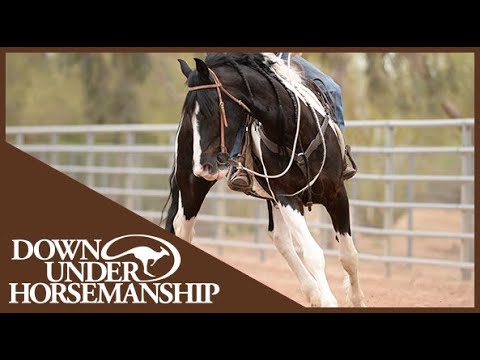
Watch: How Is the Transition From Longeing to Ground Driving Best Done
▶
Clinton Anderson: Post 'N Circle — The Best Way to Transition From Longeing to Ground Driving
Downunder Horsemanship