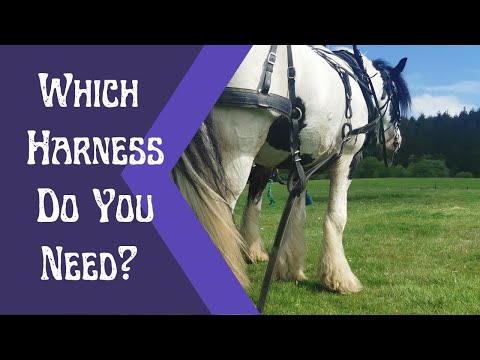
Horse driving encompasses a broad range of disciplines — from pleasure driving and combined driving to carriage competition and the foundational ground driving that benefits horses in every training program. Unlike riding, driving communicates entirely through long lines and the horse's response to rein contact, forward impulsion from the handler's voice, and the training installed during groundwork and long-lining sessions. The mechanical and communicative demands of driving are distinct from riding, and a horse that has been introduced to long lines and ground driving develops rein responsiveness, forward willingness, and self-carriage that carries over directly to under-saddle work. For competitive drivers, the disciplines of combined driving — dressage, marathon, and cones — each require specific preparation and present specific judging criteria that reward correctness, rhythm, and partnership between horse and driver. The answers below cover ground driving fundamentals, harness selection and fitting, pleasure driving competition, combined driving preparation, and the common training challenges that arise across all driving disciplines.
All Questions
68 answersQ 01 of 68
How do I introduce a horse to pulling a vehicle for the first time?
Introducing a vehicle to a horse that has been ground driven and accepted harness requires the same patient, progressive approach that each preceding stage has required. The sounds and sensations of a vehicle following the horse are novel and potentially alarming, and the fact that the vehicle cannot be removed…
Read full answer →Q 02 of 68
What are judges looking for in carriage driving competition?
In carriage driving competition, judges evaluate a complex combination of horse performance, driver skill, vehicle presentation, and overall harmonious impression. The most fundamental element judges assess is the way of going — meaning how the horse moves through each gait. They want to see pure, rhythmic, ground-covering strides with good…
Read full answer →Q 03 of 68
How do you teach a horse to drive in long lines step by step?
Teaching a horse to drive in long lines is a systematic process that unfolds in clearly defined stages, and the quality of each stage determines the safety and effectiveness of everything that follows. Rushing any step — moving behind the horse before he is comfortable with the lines on his…
Read full answer →Q 04 of 68
How is impulsion judged differently in carriage driving than in ridden dressage?
Impulsion in carriage driving is judged with the same fundamental principles as ridden dressage — energy generated from the hindquarters, carrying power forward through a swinging back and elastic topline — but the unique demands of pulling a vehicle and working through long lines rather than a rider's seat create…
Read full answer →Q 05 of 68
Can ground driving be used to introduce lateral movements to a horse?
Ground driving is an excellent tool for introducing lateral movements, and many classical trainers consider it the ideal environment in which to teach leg yield, shoulder-in, and even the early stages of half-pass before those movements are asked for under saddle. The reason ground driving works so well for lateral…
Read full answer →Q 06 of 68
What does proper harness fit look like and why does it matter?
Correct harness fit is essential to the horse's comfort, soundness, and willingness to work. A poorly fitted harness creates pressure and friction that show up as resistance, irregular movement, and sour attitude over time. The collar, whether a neck collar or breast collar, must fit the individual horse without pinching…
Read full answer →Q 07 of 68
How do you teach a horse to steer and turn during ground driving?
Teaching steering during ground driving is one of the first practical skills the horse learns once he is comfortable moving forward with the handler behind him. The steering aids in ground driving closely mirror the rein aids used in ridden work, which is one of the reasons ground driving is…
Read full answer →Q 08 of 68
What is the cones phase and how do I prepare for it?
The cones phase is the concluding element of a combined driving competition in which horse and driver navigate a course of cone pairs driven against the clock with penalties for each ball knocked and for exceeding the optimum time. The cones phase tests the precision, obedience, and pace management that…
Read full answer →Q 09 of 68
How do you use ground driving to teach a horse to halt and back up?
Teaching the halt and rein-back through ground driving is highly effective because the handler can see the horse's entire body during the movement and can apply rein pressure from the exact angle that produces the clearest response. The halt established through ground driving should be the same halt the horse…
Read full answer →Q 10 of 68
What is combined driving and how is the competition structured?
Combined driving, also called horse driving trials, is a three-phase equestrian sport that evaluates horse and driver across disciplines of precision, cross-country athleticism, and accuracy, making it one of the most comprehensive tests of the complete driving horse's training and the driver's horsemanship. The discipline is the driving equivalent of…
Read full answer →Q 11 of 68
How do I fit a harness correctly and what are the most common fitting errors?
Correct harness fit is one of the most important competencies in driving horsemanship, and it is an area where many drivers have gaps that create discomfort, inefficiency, and safety risks in their horses without recognizing the connection between the fitting error and the horse's behavior. A horse that resists moving…
Read full answer →Q 12 of 68
How do judges score the marathon phase and what earns the best results?
The marathon phase is scored through a combination of time and hazard penalties, and the driver who produces the best combination of efficient time through the driving sections and clean, fast navigation through the hazards earns the lowest penalty score for the phase. Time penalties in the road and track…
Read full answer →Q 13 of 68
What specific equipment does combined driving require beyond standard driving harness?
Combined driving requires several pieces of equipment specific to the demands of cross-country marathon driving that differ from the equipment appropriate for pleasure driving or dressage driving. The marathon vehicle is a specialized piece of equipment designed for the demands of cross-country driving rather than for arena or road use.…
Read full answer →Q 14 of 68
What is the purpose of blinkers on driving bridles and how do they affect training and regular use?
Blinkers — also called blinders or winkers — are the leather or synthetic cups attached to the cheekpieces of a driving bridle that partially or fully block the horse's rearward and peripheral vision on each side. They are a defining feature of traditional driving harness and have been used in…
Read full answer →Q 15 of 68
What kinds of horses and ponies are best suited for pulling a cart?
The range of horses and ponies that pull carts successfully is broader than most people expect, because the qualities that make a good driving animal — willingness, sound structure, appropriate temperament, and the physical capacity to pull a vehicle without breaking down — appear across many breeds and types. That…
Read full answer →Q 16 of 68
What is the marathon phase and how should I prepare for it?
The marathon phase is the defining element of combined driving that most clearly distinguishes it from pleasure driving and single-phase competition. It is driven over a defined course that includes road and track sections at regulated paces and a cross-country section through multiple hazards that must be navigated at the…
Read full answer →Q 17 of 68
How do you train a horse to stand quietly at the halt in harness?
Standing quietly at the halt is one of the most practical and frequently tested skills in pleasure driving and one of the most commonly undertrained. The foundation is teaching the horse to stop from ground driving and remain motionless until asked to move again. Many horses learn to halt but…
Read full answer →Q 18 of 68
What common mistakes do handlers make when ground driving and how can they be corrected?
Ground driving requires coordination, timing, and spatial awareness that take time to develop, and most handlers make predictable mistakes in the early stages that reduce the effectiveness of the work and can create confusion or bad habits in the horse. Recognizing these mistakes early and correcting them prevents them from…
Read full answer →Q 19 of 68
How do judges evaluate the cones phase and what earns the best score?
The cones phase is scored through a straightforward penalty system that adds points for each ball knocked off the cones and for each second the driver exceeds the optimum time. The driver who completes the course with no balls knocked and within the optimum time earns the minimum penalty score…
Read full answer →Q 20 of 68
How should a pleasure driving horse carry itself at the trot?
At the working trot, a pleasure driving horse should move in a balanced, forward frame with consistent contact on the bit and a relaxed topline. The neck should reach forward naturally, and the hindquarters should be engaged enough to push the horse into that contact without resistance or bracing. The…
Read full answer →Q 21 of 68
How do I build the fitness a combined driving horse needs for the marathon?
Building marathon fitness requires a conditioning program that develops both the aerobic cardiovascular base needed for sustained road and track work and the anaerobic capacity for the intense efforts of hazard negotiation. These two fitness components are developed through different types of work and require different training approaches. Aerobic base…
Read full answer →Q 22 of 68
How do I get started in horse driving and what should a beginner expect?
Getting started in horse driving requires significantly more foundational preparation than most beginners anticipate, because driving places both horse and driver in situations where a training gap or equipment failure creates serious safety risks. A horse that spooks while being driven is attached to a vehicle that cannot be separated…
Read full answer →Q 23 of 68
How do I train my horse for the dressage phase of combined driving?
The dressage phase of combined driving is trained through the same classical progression that produces correct movement and obedience in any driving discipline. The principles of rhythm, relaxation, contact, impulsion, straightness, and collection that classical dressage training develops apply to the driving horse as directly as to the ridden horse,…
Read full answer →Q 24 of 68
How do I develop marathon strategy and navigate hazards efficiently?
Marathon strategy in combined driving operates on two levels — the macro level of pace management across the complete marathon distance, and the micro level of line selection and driving decisions within each individual hazard. Both levels require deliberate preparation before the competition day and the ability to execute the…
Read full answer →Q 25 of 68
How do I present my pleasure driving horse most effectively to the judge?
Presenting a pleasure driving horse effectively to the judge requires the same strategic awareness that effective presentation requires in any rail class — understanding where the judge is watching, positioning the horse to be visible in its best moments, and managing pace and ring position to maximize the judge's exposure…
Read full answer →Q 26 of 68
How do I train a horse for marathon hazards?
Marathon hazards are complex obstacles built into the cross-country section of the marathon phase that require the horse and driver to navigate through a series of lettered gates in sequence, often through tight turns, over varied ground, and through or around natural material obstacles. Training a horse for hazard work…
Read full answer →Q 27 of 68
How do I train and develop correct head carriage for pleasure driving?
Head and neck carriage in pleasure driving is evaluated as part of the overall picture of a correct, balanced driving horse, and the standard varies by class type — the elevated, arched neck of a park or fine harness horse is very different from the natural, relaxed carriage that country…
Read full answer →Q 28 of 68
How do I get started in combined driving competition?
Getting started in combined driving competition requires building a foundation of driving competence and horse preparation that goes significantly beyond what pleasure driving entry requires, because the three-phase structure demands capabilities in dressage, marathon, and cones that must each meet a minimum standard before the complete competition is safe and…
Read full answer →Q 29 of 68
What are the correct line-handling techniques for effective communication in driving?
Line handling is the primary skill of the driver, equivalent to the seat, leg, and hand of a rider, and developing correct line-handling mechanics is foundational to effective communication with the driving horse. The driver's hands and arms are the only direct communication channel with the horse in driving —…
Read full answer →Q 30 of 68
Explain why using a surcingle and teaching the horse to drive is a critical step in the training process for English or western?
Ground driving with a surcingle is one of the most genuinely valuable and most consistently underutilized steps in the young horse's preparation for riding. The trainers who do not skip it consistently produce horses that are more confident, more educated, and more genuinely prepared for the demands of ridden work…
Read full answer →Q 31 of 68
What is the correct handler position when ground driving a horse?
Handler position during ground driving has a direct effect on both safety and the quality of communication with the horse, and understanding how to position the body correctly is essential before attempting ground driving without an experienced trainer present. The most fundamental positional rule is that the handler should never…
Read full answer →Q 32 of 68
What is a pleasure driving class and how is it judged?
A pleasure driving class is a harness competition where a horse pulls a two-wheeled cart or four-wheeled vehicle and is evaluated on its movement, manners, and overall suitability as a pleasurable horse to drive. The class is designed to showcase horses that are willing, obedient, and safe — horses that…
Read full answer →Q 33 of 68
What equipment is needed for horse driving and how does harness function?
The harness is the equipment system that connects the horse to the vehicle and allows the driver to communicate direction and pace through the lines, and understanding how each component of the harness functions is essential for both fitting it correctly and recognizing when a piece has failed. A harness…
Read full answer →Q 34 of 68
What gaits are required in a pleasure driving class?
Most pleasure driving classes require three gaits: the walk, the working trot, and the strong trot. The walk should be flat-footed, relaxed, and forward with a clear four-beat rhythm. Jigging or tension at the walk is a significant fault. The working trot is the foundation gait of the class and…
Read full answer →Q 35 of 68
What is pleasure driving and how is it judged?
Pleasure driving is a competitive driving discipline in which a horse hitched to an appropriate vehicle is evaluated on its movement, manners, way of going, and overall presentation as a pleasant, harmonious, and suitable driving turnout. The class takes its name from its standard — the horse should look and…
Read full answer →Q 36 of 68
What safety practices are essential for horse driving?
Safety in horse driving requires consistent attention to equipment condition, situational awareness, and driving practices that account for the specific risks that driving creates relative to riding. Because the horse is attached to a vehicle during driving, the consequences of equipment failure, horse reactivity, or driver error are generally more…
Read full answer →Q 37 of 68
What is ground driving and why is it an important step in horse training?
Ground driving — also called long lining or long reining — is the practice of guiding a horse from behind using two long reins attached to a bit or halter, with the handler walking behind or slightly to the side of the horse rather than riding or leading from alongside.…
Read full answer →Q 38 of 68
How do judges evaluate the halt and rein-back in a driving dressage test?
The halt and rein-back are precision movements that reveal a great deal about a driving horse's training and the driver's skill, and experienced judges pay close attention to every detail of how these movements are executed. In the halt, judges look for a horse that comes smoothly and progressively to…
Read full answer →Q 39 of 68
How is the transition from longeing to ground driving best done starting on a circle?
The circle is the ideal starting geometry for introducing ground driving because it gives the handler a familiar, controlled framework that both horse and trainer already understand from longe work — and uses that familiarity to bridge the gap between the single-line longe and the two-line driving setup without disrupting…
Read full answer →Q 40 of 68
How do I develop my horse into a competitive driving horse over time?
Developing a horse for competitive driving is a multi-year process that builds progressively from the foundation of ground driving and vehicle acceptance through increasingly refined movement quality, obstacle work, and the specific competitive skills that each driving discipline evaluates. The first competitive experiences for a driving horse should be at…
Read full answer →Q 41 of 68
How do judges score accuracy and obedience in a carriage driving dressage test?
Accuracy and obedience are scored throughout every movement of a carriage driving dressage test and account for a substantial portion of the final score. Judges assess whether the horse and driver execute each movement at the correct location, in the correct form, and with the quality of response that demonstrates…
Read full answer →Q 42 of 68
How do I develop a horse into a competitive pleasure driving horse over multiple years?
Developing a competitive pleasure driving horse over multiple years requires patience with the foundational stages and a clear understanding of the developmental arc that produces the finished, competitive turnout. Rushing any stage — introducing competition before the horse's training is confirmed, entering higher-level classes before lower-level ones have been demonstrated…
Read full answer →Q 43 of 68
How do you progress from ground driving to hitching a horse to a cart for the first time?
The transition from ground driving to hitching a horse to a cart is one of the most significant steps in a driving horse's training, and the way it is managed will shape the horse's attitude toward pulling work for the rest of his career. A horse that has been thoroughly…
Read full answer →Q 44 of 68
How do I select the right horse for driving and what qualities are most important?
Selecting a horse for driving requires evaluating qualities that overlap with those valued in riding horses but with some specific driving-relevant priorities. Temperament is more critical in driving than in most riding disciplines because the driver has significantly less physical control over a horse in harness than a rider has…
Read full answer →Q 45 of 68
What are the most common training mistakes in pleasure driving horses?
Rushing the ground driving phase is one of the most frequent and consequential mistakes in starting a driving horse. Hitching a horse before it reliably responds to the reins in long lines creates confusion and resistance that becomes deeply ingrained. Another common problem is allowing an inconsistent trot pace —…
Read full answer →Q 46 of 68
What equipment do you need to start ground driving a horse?
Setting up correctly for ground driving is important both for safety and for the effectiveness of the training. The equipment required is simple but must be properly fitted and of adequate quality to give the handler reliable control and the horse a clear, comfortable experience. The reins themselves are the…
Read full answer →Q 47 of 68
What does a judge want to see in a driving horse's walk and trot gaits?
The walk and trot are the two gaits most frequently evaluated in carriage driving dressage tests, and judges apply demanding standards to each because they reveal so much about the horse's training, balance, and natural quality of movement. In the walk, judges want to see a pure four-beat rhythm with…
Read full answer →Q 48 of 68
How do you introduce a horse to the feel of long lines for the first time?
The first introduction to long lines should be slow, methodical, and designed to prevent any frightening experience that could create lasting resistance or anxiety. A horse that has a bad first experience with lines running along his body and hindquarters may become genuinely dangerous — kicking, bolting, or tangling —…
Read full answer →Q 49 of 68
How do judges differentiate between competitors in a close combined driving competition?
When competitors in a combined driving event produce similar total penalty scores across all three phases, the specific structure of the scoring system determines how ties are resolved and how close placings are differentiated. In most combined driving competitions, the marathon phase score is the primary tiebreaker when total scores…
Read full answer →Q 50 of 68
How do I develop the correct trot for pleasure driving competition?
The trot is the primary evaluated gait in most pleasure driving classes and the movement quality that most significantly differentiates competitive horses from less competitive ones within the same class. Developing the correct trot for the specific type of pleasure driving class being contested is a training priority that shapes…
Read full answer →Q 51 of 68
How do I train correct transitions for pleasure driving?
Transitions in pleasure driving are observed moments during which the judge can directly assess the horse's responsiveness, training quality, and the driver's ability to communicate effectively through the lines. A smooth, prompt transition that happens at the moment the judge calls the gait demonstrates trained responsiveness that is directly observable…
Read full answer →Q 52 of 68
How does ground driving differ from longeing and when should each be used?
Ground driving and longeing are both valuable ground training tools, but they accomplish different things and are best used at different stages of training and for different purposes. Understanding the distinction helps trainers make deliberate choices about which tool serves a specific training goal rather than defaulting to one method…
Read full answer →Q 53 of 68
How do judges evaluate the overall turnout and presentation in combined driving?
The overall turnout presentation in combined driving — the appearance and correctness of the vehicle, harness, and driver's attire — contributes to the impression the judges and technical delegates form of the competitor's professionalism and preparation. The dressage phase, in which the complete turnout is visible for an extended period…
Read full answer →Q 54 of 68
How do I build a horse's fitness for pleasure driving competition?
The fitness demands of pleasure driving are modest compared to combined driving's marathon phase, but they are real and should not be ignored. A horse that is not adequately conditioned for the sustained trot work and mental demands of a pleasure driving class will tire during the class, lose the…
Read full answer →Q 55 of 68
Explain why training a horse to drive pays dividends later in the training cycle?
The dividends of correct ground driving work appear at every subsequent stage of the horse's training — the horse that was carefully ground driven simply seems easier to develop, more relaxed under saddle, more responsive to rein communication, and more confident in new situations than horses whose preparation skipped that…
Read full answer →Q 56 of 68
What is horse driving and what disciplines fall under this category?
Horse driving encompasses a broad range of equestrian activities in which a horse or horses pull a vehicle while guided by a driver holding lines rather than riding on the horse's back. Driving is one of the oldest uses of horses in human history, and in its modern competitive forms…
Read full answer →Q 57 of 68
How does driver position and presentation affect scores in a pleasure driving class?
Driver presentation is a scored element in most pleasure driving classes and influences the overall impression even when it is not broken out as a separate judging criterion. The driver should sit centered and upright in the vehicle with quiet, steady hands and a relaxed but attentive posture. Reins should…
Read full answer →Q 58 of 68
How does pleasure driving differ from fine harness or park driving?
Pleasure driving is judged on the horse's suitability as a willing, balanced driving partner, while fine harness and park driving emphasize elevated action, dramatic presence, and animated brilliance. A fine harness horse is expected to carry significant knee and hock action with an upright, showy frame. A pleasure driving horse…
Read full answer →Q 59 of 68
How do I develop consistent pace in pleasure driving throughout a class?
Pace consistency in pleasure driving — maintaining the same quality trot heading toward the gate as heading away from it, the same walk energy in both directions, and the same overall rhythm throughout an entire class — is one of the clearest measures of a horse's training depth and the…
Read full answer →Q 60 of 68
How do you introduce a horse to harness for the first time?
Introducing a horse to harness requires a systematic progression that builds confidence at each stage before moving to the next. Before putting any harness on the horse, it should be desensitized to equipment being handled around its body, including the girth area, hindquarters, and tail. The crupper, which sits under…
Read full answer →Q 61 of 68
What specific qualities do hazard judges evaluate during marathon obstacles?
At each hazard in the marathon phase, judges are positioned to verify that the driver navigates through the required gates in the correct sequence, to measure the time from entry to exit, and to record any rule violations that occur during the hazard negotiation. The judge's evaluation is primarily objective…
Read full answer →Q 62 of 68
What type of horse makes a good pleasure driving prospect?
Temperament is the most important quality in a pleasure driving prospect. A horse that is curious, calm under new stimuli, and genuinely accepting of the harnessing and hitching process will progress far more safely and quickly than a reactive horse with more athletic ability. The horse must be willing to…
Read full answer →Q 63 of 68
What presentation and turnout standards do carriage driving judges evaluate?
Turnout judging is one of the most distinctive aspects of carriage driving competition and sets the discipline apart from most other equestrian sports. Judges evaluate the complete picture — horse, harness, vehicle, and human presentation — as a unified turnout that should be correct, elegant, and appropriate for the class…
Read full answer →Q 64 of 68
How do judges evaluate the dressage phase in combined driving?
The dressage phase in combined driving is evaluated by judges positioned around the arena who score each movement on a scale similar to ridden dressage, with marks reflecting the quality of each movement relative to its ideal standard. Those marks are then converted to penalty points — lower penalty scores…
Read full answer →Q 65 of 68
How do I develop as a combined driving competitor across multiple competitive seasons?
Developing as a combined driving competitor across multiple seasons requires progress across three distinct skill sets simultaneously because genuine development requires all three phases to advance together rather than one advancing while the others plateau. A competitor who becomes highly skilled in marathon driving but neglects dressage development will reach…
Read full answer →Q 66 of 68
How do I introduce a horse to harness and begin ground driving?
Introducing a horse to harness is a sequential process that presents each element of the equipment progressively, allowing the horse to accept each component before the next is added. Attempting to put a complete harness on a horse that has never worn any of its components is likely to produce…
Read full answer →Q 67 of 68
What are the most common faults in pleasure driving and how do I prevent them?
Faults in pleasure driving accumulate into a competitive score disadvantage through specific observable errors that the judge notes and through the overall impression of an unpolished or problematic turnout. Understanding which faults carry the most weight helps a competitor prioritize training and preparation to prevent the most costly errors. Pace…
Read full answer →Q 68 of 68
How do I develop the correct walk for pleasure driving competition?
The walk in pleasure driving is a four-beat gait that should be evaluated and developed with the same attention to quality that the trot receives, because it is one of the evaluated gaits in most pleasure driving classes. The correct pleasure driving walk is forward, ground-covering, and relaxed — the…
Read full answer →📹 Horse Driving Training Videos