Lunging is not inherently bad for young horses, but it carries genuine physical risks when done incorrectly, too intensively, or too early on horses whose musculoskeletal systems are not yet developed enough to handle the demands of repetitive circle work. The primary concern is the centrifugal force placed on the joints of the inside legs during circle work — a horse traveling a tight circle repeatedly is loading those joints asymmetrically, and in a young horse with immature cartilage, growth plates, and soft tissue structures, that loading can cause damage that may not be apparent until the horse is older and in heavier work. The risks are manageable with sensible guidelines. Keep circles large — a minimum of fifteen to twenty meters — so the angle of the circle does not create extreme joint stress. Keep sessions short: ten to fifteen minutes of actual movement for a young horse is sufficient and sessions beyond that begin accumulating wear without proportional benefit. Avoid deep or slippery footing that causes the horse to scramble and puts additional stress on stabilizing structures. Do not ask for collection, lateral bend, or high energy work that demands more from the musculature and joints than a young horse can correctly produce. Used within these parameters — large circles, short sessions, good footing, appropriate energy level — lunging is a useful tool for building basic obedience, teaching voice commands, and gently developing topline muscle and cardiovascular fitness in young horses. The risk comes from over-lunging, not from the exercise itself.
Find the Right Trainer
1,700+ verified trainers across Arizona and the Southwest
Find My Trainer →
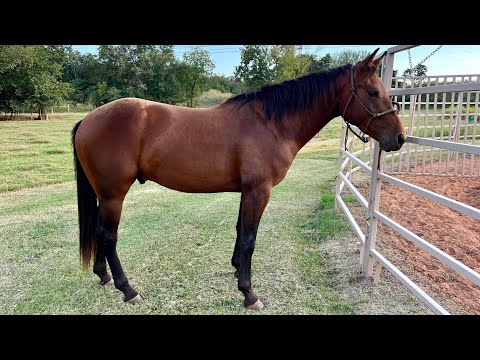
Watch: Is Lunging Bad for Young Horses
▶
60-Day Colt Starting — Is Lunging Bad for Young Horses
Low Stress Horsemanship