Knowing when a young horse is genuinely ready to progress — rather than appearing ready because it is complying under pressure — is one of the most important judgment calls in colt starting, and the criteria that Clinton Anderson, Pat Parelli, and Warwick Schiller use are behavioral rather than calendar-based. Anderson's readiness standard is specific and measurable: the horse performs the current stage consistently, in multiple locations, without visible effort from the trainer, and while remaining calm and focused. A horse that performs a maneuver correctly when specifically asked, in its home environment, on a day when it is feeling cooperative, has not demonstrated genuine readiness to progress. A horse that performs the same maneuver consistently regardless of environment, at varying levels of rider attention, and without resistance or evasion has demonstrated that the current stage is genuinely confirmed. Parelli uses the passing-the-Friendly-Game criterion at each stage: before advancing, the horse must be genuinely relaxed — not just tolerating — what is currently being asked. A horse that accepts saddling while clearly tense and watchful is not ready for the first ride. A horse that accepts saddling with licking, chewing, and a lowered head has genuinely accepted saddling and is ready for the next step. Warwick Schiller's criterion is the nervous system baseline: has the horse's overall stress response to training reduced, or is it managing the same level of activation by compliance? A horse that is confirming each stage genuinely will show progressively calmer baseline responses — arriving at sessions less reactive, settling faster, showing processing signs more readily. A horse that maintains the same activation level throughout training is complying rather than learning. All three trainers identify the impulse to rush as the primary enemy of genuine readiness assessment. The excitement of making progress, the desire to get to riding, and the pressure of a training timeline all create motivation to advance before readiness is genuinely established. Resisting that impulse — accepting that the horse is not ready yet and doing more of the current stage — is the discipline that produces reliably trained horses.
Find the Right Trainer
1,700+ verified trainers across Arizona and the Southwest
Find My Trainer →
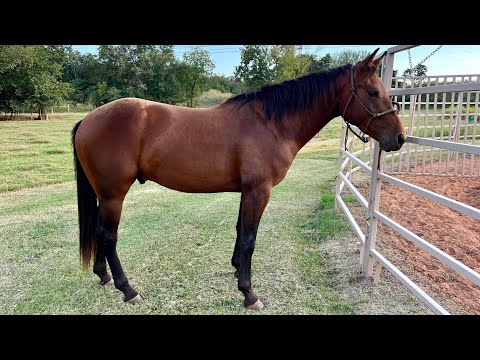
Watch: How to Know When a Young Horse Is Genuinely Ready to Progress to the Next Stage
▶
60-Day Colt Starting — How to Know When a Young Horse Is Ready to Progress to the Next Stage
Low Stress Horsemanship