The foundational elements of starting any young horse — ground work, desensitization, yielding, and basic under-saddle communication — are largely consistent across disciplines. The differences appear in emphasis, timeline, equipment, and the specific skills that are prioritized early in each discipline's development path. Western performance horse starting tends to follow the most structured and well-documented protocols, largely because the natural horsemanship movement — Clinton Anderson, Pat Parelli, and others — developed primarily within the western tradition. The emphasis in western starting is on hindquarter control, the one-rein stop, lateral yielding, and the foundation for eventual one-handed neck reining. Western horses are typically started in a snaffle at two years old and ridden with two hands throughout their foundation period. English sport horse starting shares the ground work fundamentals but emphasizes forward movement into a steady contact rather than the western emphasis on yielding away from pressure. Where western starting prioritizes the ability to disengage the hindquarters as a primary control tool, English starting prioritizes moving forward freely from leg pressure into a following but consistent rein contact. The two-handed riding with consistent contact is established from the first rides rather than being a stage to progress through. Ranch horse starting is often the most practically oriented of the three approaches — the ranch horse needs to be genuinely useful across a variety of real-world tasks relatively quickly. Ranch horse starters typically spend more time working horses in varied environments, introducing cattle earlier, and prioritizing practical tasks like gate work and trailer loading over arena refinement. The ranch horse standard is a horse that is safe, calm, and useful rather than one that shows refinement in a specific skill set. All three approaches share the recognition that the quality of the foundation determines the quality of the finished horse regardless of discipline, and that shortcuts in starting are paid for in problems at higher levels of training.
Find the Right Trainer
1,700+ verified trainers across Arizona and the Southwest
Find My Trainer →
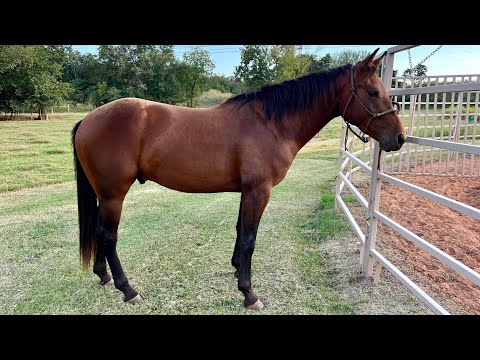
Watch: How the Approach to Starting Horses Differs Between Western, English, and Ranch Disciplines
▶
60-Day Colt Starting — How Starting Approaches Differ Between Western, English, and Ranch Horse Disciplines
Low Stress Horsemanship