Collection in the cow horse context means the horse is carrying enough weight on its hindquarters and is responsive enough to the rider's seat and leg that it can make immediate, explosive changes of speed and direction without requiring preparation time or strong rein intervention — which is exactly the physical state required to work cattle correctly. A horse that is strung out on the forehand, heavy in the bridle, or dependent on the rein for balance cannot make the sudden deceleration required to rate behind a cow that stops at the fence, cannot make the explosive acceleration required to drive past the cow's shoulder for the fence turn, and cannot make the instant directional changes that working a quick, athletic cow demands. The collection required for cow horse work is functional rather than stylized — it is not the deep, sustained collection of dressage or the headset and frame of western pleasure — but it does require the horse to carry itself in balance, be light in the bridle, and respond from the seat before the rein becomes necessary. This functional collection is developed through the transition work, half-halt exercises, and lateral suppling that are part of the reining foundation, and it is tested every time the horse is asked to make a sudden change of pace or direction in response to a cow's movement. The horse that has genuine collection will make its cattle work look effortless; the one that lacks it will appear to be chasing rather than controlling.
Find the Right Trainer
1,700+ verified trainers across Arizona and the Southwest
Find My Trainer →
Watch: How Collection Applies to Cow Horse Training
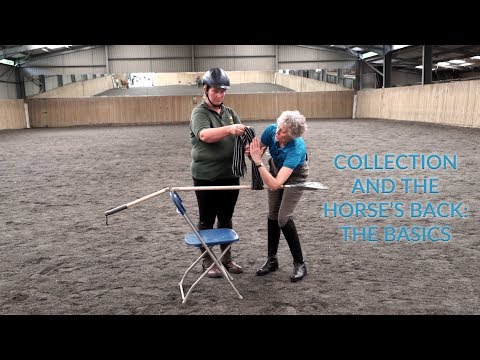
▶
Collection in the Cow Horse — Foundation and Application
Mary Wanless