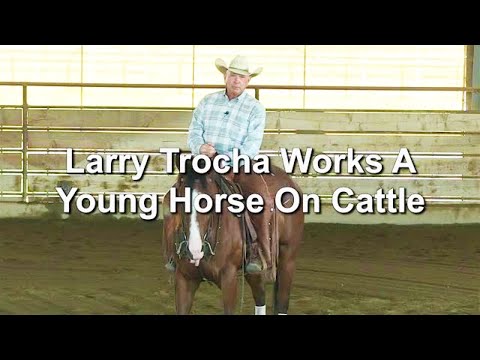
Working cow horse, also known as reined cow horse, combines the technical maneuvers of reining with the athletic demands of working cattle — requiring a horse that can execute a precise reining pattern, hold a cow on the fence, and drive it down the arena in a run that demonstrates the horse's natural cow instinct and the rider's ability to direct it. The discipline rewards horses that show genuine desire to control cattle rather than simply responding to the rider's direction, and the best working cow horses combine the athletic foundation of a reining horse with the tracking instinct and cow aggression that makes fence work exciting to watch and judge. Developing a working cow horse requires systematic exposure to cattle at every stage of training, from the first quiet introduction through building the stop and control required to work a cow independently. The answers below address foundational training, cattle introduction, fence work development, scoring criteria, and the common training challenges in preparing horses and riders for reined cow horse competition.
All Questions
205 answersQ 01 of 205
How do I manage a horse that becomes too aggressive or hot on cattle?
A horse that is overly aggressive on cattle — charging too hard, ignoring the rider's rate cues, becoming difficult to control in the presence of cattle — presents a different but equally significant challenge as a horse that lacks cow sense entirely. The aggressive horse has instinct in abundance; what…
Read full answer →Q 02 of 205
What happens if you run past the cow at the fence?
Running past the cow at the fence — driving the horse so far ahead of the cow that it loses the cow's position entirely before making the turn — is one of the most common and most scored-against errors in fence work, and it reflects a timing and rate management…
Read full answer →Q 03 of 205
How do I evaluate a prospect for working cow horse potential before I buy?
Evaluating a prospect for working cow horse potential is a multi-layered process that considers conformation, movement, temperament, bloodlines, and ideally some indication of natural cow sense. Getting all of those evaluations right before a purchase is difficult even for experienced horsemen, which is why many serious buyers involve a trusted…
Read full answer →Q 04 of 205
What is the bridle horse stage in working cow horse?
The bridle horse is the finished product of the vaquero training progression — a horse that works solely in the spade bit with a single rein, responding to the lightest possible communication with collected, precise, and willing performance in both the reining maneuvers and the cattle work. The bridle horse…
Read full answer →Q 05 of 205
Can I take working cow horse lessons without owning a horse?
Taking working cow horse lessons without owning a horse is possible and in some respects represents the ideal starting point for someone new to the discipline, because learning on a well-trained lesson horse before purchasing your own allows you to develop the specific feel, timing, and understanding that the discipline…
Read full answer →Q 06 of 205
How do you keep a horse from getting too hot on cattle?
A horse that becomes excessively hot, excited, or difficult to control around cattle is one of the most common management challenges in working cow horse training, and addressing it requires a combination of training strategies that reduce the horse's overall arousal level in the cattle environment and develop the self-regulation…
Read full answer →Q 07 of 205
What are the circles after fence work and how are they judged?
The circles in working cow horse follow the fence work and require the horse to drive the cow in arcs in both directions — circling it to the left and to the right — demonstrating the horse's ability to control the cow's direction in open arena rather than at the…
Read full answer →Q 08 of 205
How do you drive the cow down the fence correctly?
Driving the cow down the fence correctly means initiating the fence work from boxing with enough authority to get the cow moving down the fence at a pace that allows meaningful fence work, maintaining the rate position at the cow's hip that keeps the horse in control of the cow's…
Read full answer →Q 09 of 205
What makes a good working cow horse prospect?
A good working cow horse prospect combines several qualities that are individually assessable in a young horse but genuinely rare in the combination required for competitive potential at a meaningful level. Natural cow sense is the most important and least trainable quality — the horse either demonstrates an instinctive interest…
Read full answer →Q 10 of 205
What is working cow horse?
Working cow horse is a western performance discipline that evaluates a horse's ability to perform precise reining maneuvers and then demonstrate genuine athletic ability and instinct when working a single cow — holding it on the fence, driving it down the arena, and circling it in both directions in a…
Read full answer →Q 11 of 205
What penalties exist in working cow horse competition?
Working cow horse competition has a structured penalty system that deducts specific amounts from the run score for specific rule violations and errors, separate from the quality-based scoring that produces scores above and below the base. The penalty system is divided into major penalties that result in significant score deductions…
Read full answer →Q 12 of 205
What is a non-pro in working cow horse competition?
A non-pro in working cow horse competition is a competitor who rides for personal enjoyment rather than for financial compensation related to horses — specifically, someone who does not accept money for training horses, giving riding lessons, or providing other professional horse services that would classify them as a professional…
Read full answer →Q 13 of 205
Why is failing to maintain correct body position as a rider one of the costliest mistakes in cow horse competition?
Rider position in working cow horse affects the horse's athletic ability at every stage of the run, and poor position during the most demanding moments — the stop before a rollback, the fence turn, the driving position down the fence — translates directly into the horse performing those moments less…
Read full answer →Q 14 of 205
How does a cow horse differ from a cutting horse mentally?
The mental difference between a cow horse and a cutting horse reflects the fundamentally different nature of what each discipline asks the horse to do with its cattle instinct — and understanding that difference explains why horses that excel at one discipline do not always transfer easily to the other…
Read full answer →Q 15 of 205
How do I get the most out of a working cow horse clinic?
Getting maximum value from a working cow horse clinic requires preparation before you arrive, specific goals for what you want to learn, and a clear plan for how you will apply what you learn after the clinic ends. Before attending, identify the one or two most specific things you want…
Read full answer →Q 16 of 205
How do I develop a deep, correct stop in my cow horse that holds up under the pressure of cattle work?
The stop in working cow horse is evaluated in the reining pattern and also expresses itself implicitly throughout the fence work — every time the horse rates back down after a fence turn, it is performing a version of the same physical movement that the sliding stop requires in the…
Read full answer →Q 17 of 205
What does a training plan look like for a working cow horse futurity horse?
A training plan for a working cow horse futurity horse is structured around the specific demands and timeline of the target futurity, working backward from the competition date to identify when each stage of training needs to be at what level — and it reflects the experienced trainer's judgment about…
Read full answer →Q 18 of 205
Why does my horse get intimidated by cattle?
A horse that shows intimidation by cattle — retreating from a cow's challenge, flinching when cattle approach closely, or showing anxiety and avoidance rather than confidence and engagement — is communicating that its experience with cattle has not yet built the foundation of confidence that allows it to engage without…
Read full answer →Q 19 of 205
What does a good lesson horse for working cow horse lessons look like?
A good working cow horse lesson horse possesses a specific combination of qualities that is quite different from what makes a horse valuable as a competition horse or a futurity prospect, because the lesson horse's primary purpose is to teach the rider rather than to produce competitive results. The most…
Read full answer →Q 20 of 205
What is the hackamore stage in working cow horse training?
The hackamore stage in working cow horse training uses the bosal — a rawhide noseband fitted in a specific way to the horse's face — as the communication tool, replacing the snaffle's direct rein action on the mouth with the bosal's pressure on the nose and jaw that develops a…
Read full answer →Q 21 of 205
What bit and equipment is appropriate for working cow horse competition?
Equipment choices in working cow horse competition are governed by the organization's rulebook, and the rules vary between NRCHA, AQHA, and other sanctioning bodies, so reading the current rulebook for the specific organization you are competing under is essential before making equipment decisions. That said, there are general principles and…
Read full answer →Q 22 of 205
What cattle should be used when starting a cow horse?
The cattle used in the early stages of cow horse training have a significant influence on how the horse's attitude toward cattle work develops, and using the wrong cattle in the introduction phase can create fear, frustration, or dangerous situations that damage the horse's willingness long before its cattle-working skills…
Read full answer →Q 23 of 205
What happens when a competitor breaks the barrier and how does it affect the overall score?
Breaking the barrier is one of the most demoralizing mistakes a competitor can make in working cow horse because it penalizes the run before it has truly begun, and no amount of brilliant reining or exceptional cow work can fully overcome the deficit it creates. The barrier is set to…
Read full answer →Q 24 of 205
How does the horse's speed affect boxing quality?
Speed management during boxing is one of the most important and least intuitively understood aspects of the skill, because boxing quality is determined not by how fast the horse moves but by how appropriately it matches the cow's pace — which often means moving considerably slower than the horse's instinct…
Read full answer →Q 25 of 205
What exactly is boxing in working cow horse and how is it scored by judges?
Boxing is the opening phase of the fence work in a reined cow horse run, and it is the portion where the horse and rider demonstrate their ability to hold a single cow against the end fence of the arena — preventing it from escaping to either side — while…
Read full answer →Q 26 of 205
How do you manage a working cow horse's soundness over a long career?
Managing soundness over a working cow horse's competitive career requires treating the horse's physical condition as a long-term investment that requires consistent proactive attention rather than reactive treatment of problems after they have developed to the point of causing visible performance issues. The specific physical stresses of working cow horse…
Read full answer →Q 27 of 205
What is boxing and how do I train my horse to hold a cow on the fence?
Boxing is the phase of reined cow horse fence work where horse and rider hold a single cow against the end fence of the arena, moving with it as it attempts to escape to either side. It is the first portion of the cow work in a reined cow horse…
Read full answer →Q 28 of 205
How has working cow horse competition changed over the past 20 years?
Working cow horse competition has undergone significant evolution over the past two decades in the quality of the horses, the level of professional horsemanship, the prize money available at major events, and the international reach of the discipline — changes that reflect both the sport's growing popularity and the competitive…
Read full answer →Q 29 of 205
What is a major penalty in working cow horse?
Major penalties in working cow horse are significant score deductions assigned for specific serious errors or rule violations that materially affect the quality or completeness of the run — deductions that are large enough to eliminate a run's competitiveness regardless of how well the rest of the work was executed.…
Read full answer →Q 30 of 205
How do non-pros avoid over-riding during cattle work?
Over-riding during cattle work — using too much rein, too much leg, or too much body movement during the phases where the horse's instinct should be directing its response — is the most consistent and most damaging error that non-pro riders make in working cow horse competition, and it is…
Read full answer →Q 31 of 205
What makes a good non-pro working cow horse?
A good non-pro working cow horse is fundamentally different from a good futurity horse or an open-level competition horse, and the qualities that make a horse excellent for a professional trainer to show are not always the qualities that make it excellent for a non-pro rider who is developing their…
Read full answer →Q 32 of 205
How do you find and evaluate a working cow horse clinic or trainer?
Finding and evaluating a working cow horse clinic or trainer requires a specific evaluation process that goes beyond simply identifying who the most accomplished competitors are, because competitive success at the highest levels of the sport does not automatically translate into teaching effectiveness at the level appropriate for a developing…
Read full answer →Q 33 of 205
How does incorrect cow selection hurt a working cow horse run?
Cow selection strategy is an aspect of working cow horse competition that receives far less attention in training programs than the athletic skills being developed, yet a poor cow selection decision can make a well-trained, talented horse look mediocre and prevent it from earning the score its preparation deserves. Understanding…
Read full answer →Q 34 of 205
Should a cow horse be started in a reining program first?
The question of whether to start a cow horse in a reining-focused program before introducing cattle is one where most experienced working cow horse trainers arrive at a consistent answer: yes, the reining foundation should be established first, but early cattle exposure for the purpose of assessing and nurturing cow…
Read full answer →Q 35 of 205
What is a credit move in working cow horse?
A credit move in working cow horse is a moment or sequence in the run where the horse demonstrates exceptional quality — athleticism, instinct, degree of difficulty, or bold correct execution — that earns the judge's positive recognition and elevates the score above what the basic correctness of the run…
Read full answer →Q 36 of 205
How do I select the right cow in a working cow horse class, and does cow selection affect my score?
Cow selection in working cow horse is a meaningful strategic decision that affects both the quality of the run and the score it can achieve. Unlike cutting, where cow selection is entirely the competitor's choice, working cow horse cow work uses a single cow that is driven into the arena,…
Read full answer →Q 37 of 205
What is the role of ground lessons versus mounted lessons in working cow horse development?
Ground lessons — instruction focused on what the student observes and learns while watching from outside the pen rather than while riding — play a more important role in working cow horse development than most non-pros recognize, because the visual understanding of correct cattle work, correct horse movement, and correct…
Read full answer →Q 38 of 205
What is the NRCHA?
The NRCHA — National Reined Cow Horse Association — is the primary governing body for reined cow horse competition in the United States and internationally, establishing the rules, patterns, judging standards, and class structure that define the sport at sanctioned events. The organization administers competition from local affiliate shows through…
Read full answer →Q 39 of 205
What should you do if your horse is too fresh at a working cow horse show?
A horse that is too fresh at a show — elevated in energy, difficult to settle, not accepting the rider's aids with the softness it shows at home — requires a specific warm-up approach that is different from the routine used when the horse is in its normal working state,…
Read full answer →Q 40 of 205
Can a reining horse be converted to working cow horse?
A reining horse can be transitioned into working cow horse competition, and in fact many horses compete successfully in both disciplines either simultaneously or sequentially, because the reining foundation required for the reining phase of working cow horse is identical to reining competition training and the cattle work can be…
Read full answer →Q 41 of 205
What bloodlines produce the best working cow horse prospects, and how important is pedigree?
Bloodlines matter significantly in working cow horse because the discipline requires a specific combination of athleticism, cow sense, trainability, and mental toughness that has been selectively developed through decades of intentional breeding. A horse bred from proven cow horse bloodlines on both sides of its pedigree carries a genetic foundation…
Read full answer →Q 42 of 205
How does rate control prepare a cow horse for cattle?
Rate control — the ability to adjust the horse's speed up and down within a gait from the rider's seat rather than requiring active rein management for every change — is arguably the single most important skill that the reining foundation transfers to cattle work, because working a cow correctly…
Read full answer →Q 43 of 205
What advice would you give someone starting in working cow horse from scratch?
Starting in working cow horse from scratch — with no specific background in the discipline, no established trainer relationship, and no horse specifically prepared for the work — is a journey that rewards patience, realistic expectation-setting, and a commitment to building genuine understanding rather than rushing to competition before the…
Read full answer →Q 44 of 205
What is cow sense and can it be developed?
Cow sense is the term used in the western horse industry to describe a horse's natural instinct to track, anticipate, and mirror the movement of cattle — the innate desire to read a cow's body language, position itself in relation to the cow's path, and adjust its own movement in…
Read full answer →Q 45 of 205
What is the Snaffle Bit Futurity in working cow horse?
The NRCHA Snaffle Bit Futurity is the premier event in working cow horse competition for three-year-old horses shown in the snaffle bit, representing the sport's most important showcase of young horse development and making it one of the most significant annual events in the western performance horse world. The futurity…
Read full answer →Q 46 of 205
What does a judge reward most in working cow horse cattle work?
Judges in working cow horse competition reward most highly the combination of genuine athletic ability, instinctive cattle reading, and controlled correct execution that makes a horse appear to be working cattle from its own desire and capability rather than being directed through every moment by its rider. The quality that…
Read full answer →Q 47 of 205
How do I build my horse's boldness and confidence specifically for the boxing phase?
Building boldness in the boxing phase is a progressive process that cannot be rushed without creating a horse that is either falsely confident — working on adrenaline rather than genuine assurance — or genuinely anxious about cattle that challenge it. True boldness is the product of a horse that has…
Read full answer →Q 48 of 205
How do I train the drive and circles in the fence work portion of a reined cow horse run?
The drive and circles are the final phase of the cow work in a reined cow horse run, and they follow the boxing phase to complete the judge's evaluation of the horse's athleticism, obedience, and cow sense. In the drive, the horse and rider push the cow down the long…
Read full answer →Q 49 of 205
Should I take working cow horse lessons at a trainer's facility or have them come to me?
The choice between taking working cow horse lessons at a trainer's facility versus having the trainer come to your location involves practical tradeoffs that each non-pro should evaluate honestly against their specific situation rather than defaulting to whichever option is more convenient. Lessons at the trainer's facility provide access to…
Read full answer →Q 50 of 205
How do I use the fence effectively as a tool during the boxing phase?
The fence in boxing is not simply a boundary that prevents the cow from escaping behind it — it is an active training tool that the horse and rider learn to use strategically to contain the cow and control the work. A team that understands how to use the fence…
Read full answer →Q 51 of 205
Why does my cow horse get too hot on cattle?
A cow horse that gets excessively hot on cattle — difficult to rate, hard to control, or increasingly anxious and electric around livestock — is a horse whose arousal level in the cattle environment exceeds its ability to maintain the trained responses that correct cattle work requires. The hotness may…
Read full answer →Q 52 of 205
How do you prepare the reining phase for a working cow horse show?
Preparing the reining phase for a working cow horse show requires the same careful balance between maintaining sharpness and protecting freshness that applies to the overall competition preparation, with the specific consideration that the reining is the first phase of the run and its quality sets the tone and numerical…
Read full answer →Q 53 of 205
How do I handle a bad lesson day in working cow horse without losing confidence?
Bad lesson days — sessions where nothing seems to work, the horse is difficult, corrections feel impossible to apply, or skills that were progressing well seem to have disappeared — are an inevitable part of the development process in any demanding discipline, and how a student handles them determines whether…
Read full answer →Q 54 of 205
What does a successful working cow horse program look like at the farm level?
A successful working cow horse program at the farm or ranch level is built on several interconnected elements that support each other — quality horses, competent consistent training, adequate facilities, access to cattle, and the management infrastructure that keeps horses healthy and available for work across the demands of a…
Read full answer →Q 55 of 205
How is fence work scored in working cow horse competition?
Fence work is scored as the primary athletic and instinct evaluation component of the cattle run, using a scale above and below a base score that reflects average correct performance — the same general scoring approach used in the reining phase. Judges evaluate fence work on multiple criteria simultaneously: the…
Read full answer →Q 56 of 205
What questions should I ask before booking lessons with a working cow horse trainer?
The questions that produce the most useful information before booking working cow horse lessons are those that reveal the trainer's specific experience with non-professional students, their teaching approach at your current level, and the practical structure of their lesson program rather than simply their competitive credentials. Ask specifically how many…
Read full answer →Q 57 of 205
How do I teach my horse the correct position to hold during the boxing phase?
Correct position during boxing is the foundation that all the athletic expression of the phase is built on, and it is something that must be established through patient, deliberate work before speed or difficulty is introduced. A horse that does not understand where it should be relative to the cow…
Read full answer →Q 58 of 205
What does a judge evaluate in the reining portion of a working cow horse class?
The reining score in a working cow horse class is evaluated by the same standards that apply in a standalone reining competition, and it carries significant weight in the overall placement. A competitor who delivers a strong reining pattern and then strong cow work is genuinely hard to beat, while…
Read full answer →Q 59 of 205
How do I mentally prepare for a challenging working cow horse lesson?
Mental preparation for a challenging working cow horse lesson — one where you know the instructor will push your current limits, introduce a new skill that is at the edge of your ability, or address a persistent problem that has been frustrating — is as important as the physical preparation…
Read full answer →Q 60 of 205
What is herd work in working cow horse competition, and how is it different from cutting?
Herd work is a component offered in some working cow horse competitions, particularly at the NRCHA Snaffle Bit Futurity and other major events, and it shares obvious similarities with cutting while remaining a distinct class with its own scoring criteria and strategic demands. Understanding the differences helps a competitor prepare…
Read full answer →Q 61 of 205
What is the difference between working cow horse and cutting, and which discipline should I pursue?
Working cow horse and cutting share a common foundation in cattle work and attract many of the same horses and riders, but they are distinct disciplines with different emphases, different scoring systems, and different demands on both the horse and the rider. Understanding those differences helps a person decide which…
Read full answer →Q 62 of 205
What is the value of video review in working cow horse lessons?
Video review is arguably the single most underutilized tool available to developing working cow horse riders, and its value comes specifically from what it reveals that neither the rider's feel nor the instructor's real-time observation can fully capture. The rider's perception of their own movement and position is notoriously inaccurate…
Read full answer →Q 63 of 205
How often should a non-pro take working cow horse lessons?
The optimal lesson frequency for a non-pro working cow horse student depends on how many days per week they ride independently between lessons, their current stage of development, and what the lessons are designed to accomplish — but the general principle is that lessons are most effective when the student…
Read full answer →Q 64 of 205
How do I build my horse's speed and athleticism specifically for cow work?
The athletic demands of working cow horse are significant and specific. The horse needs explosive acceleration to beat a cow to a turn, the lateral quickness to cross the cow's path at speed, the strength to rate back down after a fence turn without losing balance, and the cardiovascular fitness…
Read full answer →Q 65 of 205
What is the difference between a working cow horse lesson and a training ride?
The distinction between a working cow horse lesson and a training ride is important for non-professional clients to understand because the two serve different purposes, produce different types of development, and are typically priced differently — and confusion about which one is happening can lead to misaligned expectations and frustration…
Read full answer →Q 66 of 205
Why does my horse fade off the fence during the drive?
A horse that fades off the fence during the drive — drifting away from the arena wall during the fence run so that the cow has room to escape between the horse and the fence — is creating the gap that removes the fence as an effective boundary and turns…
Read full answer →Q 67 of 205
How do you recover mentally during a run after a bad reining phase?
Recovering mentally during a working cow horse run after a bad reining phase — a missed lead change, a poor stop, or a pattern error that has cost significant points — is one of the most important mental skills in the sport because the cattle phase follows immediately after the…
Read full answer →Q 68 of 205
How do I fix a horse that has lost its stop in cattle work?
A horse that stops correctly in reining work but loses its stop quality in cattle work — not stopping as deeply, bracing through the stop, or running past the stop cue when cattle excitement is elevated — has developed a pattern in which the cattle context overrides the trained stop…
Read full answer →Q 69 of 205
What is fence work in working cow horse?
Fence work is the phase of working cow horse competition in which the horse and rider drive a single cow down the long side of the arena fence, make a correct turn by getting ahead of the cow and turning it back in the opposite direction, drive it back the…
Read full answer →Q 70 of 205
Why do some horses fear cattle?
Horse fear of cattle is rooted in several factors that are understandable when the horse's natural sensory experience and prey animal psychology are considered. Cattle are large animals that move unpredictably, make sudden sounds, have a distinctive smell, and produce erratic movement patterns that the horse's threat-detection system interprets as…
Read full answer →Q 71 of 205
What should you look for when buying a finished working cow horse?
Buying a finished working cow horse requires evaluating the horse against a more specific and demanding standard than most horse purchases, because the specific combination of reining training depth and cattle-working ability that defines a genuine cow horse is not visible from a single demonstration ride and requires a thorough…
Read full answer →Q 72 of 205
How do I prepare my horse mentally for the pressure and excitement of cow work?
The mental preparation of a working cow horse is as important as its physical conditioning and technical training, and it is an aspect that many competitors underinvest in relative to the time they spend on patterns and cattle sessions. A horse that becomes overwhelmed, anxious, or reactive in the high-energy…
Read full answer →Q 73 of 205
How finished should the reining be before cattle are introduced?
The reining does not need to be finished to a competition standard before cattle are introduced for the first time, but specific foundational responses need to be reliably confirmed before the horse is asked to do anything more than look at and follow cattle in a low-pressure environment. The minimum…
Read full answer →Q 74 of 205
What does a correct fence turn look like?
A correct fence turn in working cow horse is one in which the horse gets ahead of the cow — past the cow's shoulder and into its path — before the cow reaches the corner, then uses its position in front of the cow to turn the cow back in…
Read full answer →Q 75 of 205
Why is overriding the horse during cow work such a damaging mistake?
Overriding — using excessive rein and leg pressure to direct the horse's every move during cow work — is one of the most damaging mistakes a competitor can make during the cow work phase, and it is also one of the most difficult mistakes to recognize in oneself because it…
Read full answer →Q 76 of 205
What is the traditional vaquero training progression in working cow horse?
The traditional vaquero training progression is a systematic development sequence rooted in the horsemanship traditions of the California vaquero culture, in which a horse advances through a series of equipment stages — from the snaffle bit through the bosal hackamore, the two-rein, and finally the straight-up spade bit — each…
Read full answer →Q 77 of 205
What makes a good reined cow horse athlete?
The reined cow horse is widely regarded as the most complete test of the western performance horse precisely because it demands excellence in two genuinely different athletic domains simultaneously — the precise controlled pattern-based athleticism of reining and the reactive instinctive cattle-reading athleticism of working cow horse. The horse that…
Read full answer →Q 78 of 205
What is a minor penalty in working cow horse?
Minor penalties in working cow horse are smaller score deductions for infractions that reflect errors or rule violations less severe than major penalties but still significant enough to require specific recognition in the scoring system rather than simply being reflected in the quality-based score. Minor penalties typically include things such…
Read full answer →Q 79 of 205
How much cattle work is too much for a young cow horse?
The amount of cattle work that is appropriate for a young cow horse is determined by the horse's physical development, mental freshness, and the current stage of its training rather than by a fixed number of sessions or runs per week. The most significant limitation on young horse cattle work…
Read full answer →Q 80 of 205
What's the difference between cutting and reined cow horse?
The distinction between a horse trainer and a riding instructor is one of the most consistently misunderstood in the equestrian world, and clarifying it matters practically because the two roles require different skills, serve different purposes, and the person who excels at one does not automatically excel at the other.…
Read full answer →Q 81 of 205
How does neglecting the horse's fitness and conditioning affect performance in competition?
Working cow horse competition places specific and significant physical demands on the horse that arena schooling alone does not adequately prepare the horse for, and a horse that arrives at a show physically underprepared will perform below its training level regardless of how well the skills have been developed in…
Read full answer →Q 82 of 205
How do you know when your working cow horse is ready to show?
Knowing when a working cow horse is ready to compete requires an honest assessment across multiple dimensions that are each necessary but none individually sufficient — a horse that is ready in its reining but not in its cattle work is not ready, and a horse with good cattle instinct…
Read full answer →Q 83 of 205
How does the stop in cow horse differ from a reining stop?
The fundamental mechanics of the stop in working cow horse are the same as in reining — the horse drives its hindquarters under its body, elevates its back, lowers its hip, and slides to a halt from the seat cue — but the context in which the stop must be…
Read full answer →Q 84 of 205
How do I read a cow's body language during boxing to anticipate its next move?
Reading cattle is a skill that develops over hundreds of hours of observation and experience, and it is one of the qualities that distinguishes a horseman who truly understands the cow work from one who is simply reacting to obvious movement. A cow telegraphs its intention before it moves —…
Read full answer →Q 85 of 205
What is the fastest way to improve as a working cow horse non-pro?
The fastest path to genuine improvement as a working cow horse non-pro is not the path most people intuitively choose — it is not more cattle work, more competition, or more time on the horse — it is systematic investment in the foundational skills that make everything else more effective,…
Read full answer →Q 86 of 205
In working cow horse going down the fence when should I accelerate to get in front of the cow?
Timing your acceleration on the fence run is everything in working cow horse, and it's one of those things that separates riders who have feel from riders who are just reacting. Get in front of the cow too early and you've given her nowhere to go — she'll stop, duck…
Read full answer →Q 87 of 205
How do I train my horse to make a correct turn on the fence?
The fence turn is the single most athletically demanding and visually impressive moment in reined cow horse fence work. When executed correctly — the horse rates the cow as it approaches the fence, beats it to the turn point, and crosses the cow's path in an explosive burst that establishes…
Read full answer →Q 88 of 205
How do you read a working cow horse score sheet?
A working cow horse score sheet reports the reining phase score and the cattle run score separately, and understanding how to read both provides specific information about where the run succeeded and where it lost points that is more useful than the total score alone. The reining phase section of…
Read full answer →Q 89 of 205
How much does a competitive working cow horse cost?
The cost of a competitive working cow horse varies enormously based on the horse's training level, competitive record, age, soundness, and the specific market at the time of purchase, making general price estimates less useful than understanding the factors that determine value in this specific market. At the entry level,…
Read full answer →Q 90 of 205
When boxing the cow in working cow horse is speed important or more the cutting moves important?
Boxing the cow is fundamentally about control, not speed — and the sooner a rider internalizes that, the better their cow work gets. Speed is a tool you use when the cow demands it, not something you're applying constantly. The horse that's blowing around the boxing area burning energy and…
Read full answer →Q 91 of 205
What should I expect to pay for working cow horse lessons?
Working cow horse lesson rates vary significantly by region, the instructor's competitive level and reputation, whether cattle are included in the lesson fee, and whether the lesson takes place at the trainer's facility or yours — and understanding what different price points typically include helps non-pros evaluate whether a given…
Read full answer →Q 92 of 205
How do non-pros develop their cattle-reading ability?
Developing cattle-reading ability as a non-pro is a process that happens both in the saddle and from the ground, and combining both perspectives produces a more complete understanding of cattle movement and behavior than either alone provides. Ground observation — watching cattle work from the fence or from a position…
Read full answer →Q 93 of 205
How do you read a cow's body language during boxing?
Reading a cow's body language during boxing is the skill that separates horses and riders that appear to know what the cow will do before it does it from those that simply react after the fact, and it involves watching specific physical indicators that precede the cow's actual movement rather…
Read full answer →Q 94 of 205
What are the most common penalties in working cow horse competition and how do I avoid them?
Penalties in working cow horse competition are specific, well-defined, and in many cases avoidable through correct preparation and attention to the rulebook. Understanding which errors carry which consequences allows a competitor to make strategic decisions during a run and to focus their training on preventing the mistakes that cost the…
Read full answer →Q 95 of 205
How do you build boldness on cattle in a working cow horse?
Building boldness on cattle — the horse's willingness to challenge a cow directly, hold its ground when a cow challenges back, and engage aggressively with cattle rather than being passive or tentative — is a developmental process that combines progressive exposure to increasingly challenging cattle with the development of the…
Read full answer →Q 96 of 205
What red flags should you avoid when buying a working cow horse?
Red flags in a working cow horse purchase reflect the specific ways that the qualities most important to the discipline can be misrepresented, hidden, or genuinely absent in horses that appear sound and capable on initial evaluation. A horse that works cattle only for its current trainer and produces visibly…
Read full answer →Q 97 of 205
What is the difference between a futurity prospect and an amateur horse?
The distinction between a futurity prospect and an amateur horse in working cow horse reflects fundamentally different sets of qualities and training priorities that serve different competitive purposes, and conflating the two categories is one of the most common and most expensive mistakes buyers make in the working cow horse…
Read full answer →Q 98 of 205
Why does my horse brace in the reining phase under competition pressure?
Bracing in the reining phase at a show — a horse that performs the reining maneuvers with softness and correctness at home but becomes stiff, resistant, or heavy in the bridle at a competition — is one of the most frustrating patterns in working cow horse because it specifically undermines…
Read full answer →Q 99 of 205
How does lesson quality differ between a local trainer and an elite national working cow horse trainer?
The difference in lesson quality between a local working cow horse trainer and an elite national-level trainer is real but not uniformly in favor of the elite trainer for every student at every stage of development, because what constitutes quality instruction depends as much on the match between the instructor's…
Read full answer →Q 100 of 205
What is working cow horse and what does it take to compete?
Working cow horse is a western performance discipline that tests the horse's ability to control and dominate a single cow through a fence work phase that requires the horse to run the cow down the fence, turn it at each end, and demonstrate authority over the cow's movement — as…
Read full answer →Q 101 of 205
How do you train a horse to box a cow?
Boxing a cow — the phase of reined cow horse competition in which the horse holds a single cow at the end of the arena and controls its lateral movement without the fence as a barrier — is the component that most directly tests the horse's independent cow sense and…
Read full answer →Q 102 of 205
What are the most common mistakes riders make during the boxing phase?
The boxing phase exposes rider mistakes quickly and clearly because every positional error the rider makes shows up immediately in the horse's movement and the quality of the cow containment. Recognizing these mistakes — ideally from video review rather than only from feel — allows a rider to make targeted…
Read full answer →Q 103 of 205
What is the snaffle bit stage in working cow horse training?
The snaffle bit stage is the foundational period of working cow horse training in which the horse learns the basic responses that all subsequent training builds on — softness and flexion to rein pressure, forward willingness, the foundational reining maneuvers, and the initial introduction to cattle — while being ridden…
Read full answer →Q 104 of 205
What disciplines fall under working cow horse competition?
Working cow horse competition encompasses several related disciplines that each evaluate different aspects of the horse's training and cattle-working ability. Reined cow horse is the primary competition format, combining a reining pattern with a fence work run on a single cow, and it is the format that most people refer…
Read full answer →Q 105 of 205
How is the reining phase scored in working cow horse competition?
The reining phase in working cow horse competition is scored using a system similar to NRHA reining — each maneuver in the pattern receives an individual score above or below a base that represents average correct execution, and those individual maneuver scores are added to the base to produce the…
Read full answer →Q 106 of 205
What is the relationship between working cow horse and ranch horse work?
The relationship between working cow horse competition and actual ranch horse work is historical and philosophical rather than directly practical in the modern context — the discipline grew from the cattle-handling demands of working ranch horses in the vaquero tradition of California and the broader western cattle industry, and the…
Read full answer →Q 107 of 205
What should I work on between working cow horse lessons?
The work done between working cow horse lessons is where actual skill development happens — the lesson provides instruction, correction, and new concepts, but the repetition that builds muscle memory, timing, and feel occurs in the independent riding sessions between lessons. The most productive between-lesson work is specific rather than…
Read full answer →Q 108 of 205
What does a horse look like when it is reading a cow correctly?
A horse that is genuinely reading a cow demonstrates a specific set of behavioral and postural signs that are visually distinctive from a horse that is simply being directed by its rider. The most obvious sign is focused attention — the horse's ears are locked on the cow continuously, tracking…
Read full answer →Q 109 of 205
How do you manage a cow horse mentally at a show?
Managing a working cow horse's mental state at a show requires attention to the specific ways that the competition environment affects this particular type of horse — which typically gets more aroused by the show environment than many other performance horses because the cattle-working instinct adds an additional layer of…
Read full answer →Q 110 of 205
How do I choose between group lessons and private lessons for working cow horse?
The choice between group and private lessons in working cow horse depends on the student's current level, the specific skills being developed, and what the group lesson format actually offers rather than assuming that private instruction is always superior. Private lessons provide the instructor's undivided attention for the entire session,…
Read full answer →Q 111 of 205
Why does my horse anticipate the cattle work?
Anticipation of the cattle work — the horse beginning to get excited, tense, or hard to manage before the cattle are even released, or breaking its reining pattern because it is mentally preparing for the cattle phase before the reining is complete — is a training pattern problem that reflects…
Read full answer →Q 112 of 205
How do I correct a horse that overruns the cow and loses position during fence work?
Overrunning the cow is one of the most common faults in developing cow horses and one of the most frustrating to correct because it feels like enthusiasm — the horse is trying hard, moving fast, and engaging with the cattle. The problem is that a horse running past the cow's…
Read full answer →Q 113 of 205
How do you introduce a horse to cattle for the first time?
The first introduction of a horse to cattle should be designed to produce curiosity and interest rather than fear or overwhelming excitement, which means controlling the environment carefully so the horse encounters cattle in a way that is informative rather than threatening. Begin with the horse at a safe distance…
Read full answer →Q 114 of 205
How do I practice boxing at home without a full cattle setup?
Practicing the skills that boxing demands does not require a full pen of fresh cattle available every day, which is fortunate because most competitors do not have that resource. Many of the physical and mental qualities that make a horse effective in the boxing phase can be developed through targeted…
Read full answer →Q 115 of 205
What should a non-pro's first cattle lesson in working cow horse focus on?
A non-pro's first cattle lesson in working cow horse should focus almost entirely on observation and feel rather than on specific cattle-working technique, because the most important thing the student needs to develop at this stage is an accurate sensory picture of what a horse looks, feels, and acts like…
Read full answer →Q 116 of 205
Why does my horse turn in the corner instead of in front of the cow?
Turning in the corner rather than in front of the cow is the fence work timing error opposite to overrunning — the horse never gets fully ahead of the cow before the fence ends, and the cow turns itself at the corner while the horse is still behind or alongside…
Read full answer →Q 117 of 205
What are the signs that I have outgrown my current working cow horse instructor?
Recognizing when a student has outgrown their current working cow horse instructor requires honest assessment of whether the instruction is still producing development or whether progress has stalled in ways that reflect a ceiling in the instructor's ability to take the student further rather than a ceiling in the student's…
Read full answer →Q 118 of 205
How do I know if my working cow horse lessons are producing real progress?
Assessing whether working cow horse lessons are producing genuine progress requires measuring against specific, observable benchmarks rather than relying on the general feeling that things are improving, because the subjective experience of improvement is not always an accurate indicator of actual skill development. The clearest indicators of genuine progress are…
Read full answer →Q 119 of 205
How does the horse's speed during boxing affect the quality of the work?
Speed management during boxing is one of the subtler aspects of the phase and one that many developing horse-and-rider combinations handle incorrectly by defaulting to either too much speed or too little. The ideal speed during boxing is determined entirely by the cow — the horse should match the cow's…
Read full answer →Q 120 of 205
How do you handle an aggressive cow during boxing?
An aggressive cow — one that challenges the horse by charging it, turning and facing it aggressively, or attempting to run over it rather than being contained — requires specific management from both the horse and rider to handle safely and in a way that produces credit-worthy work rather than…
Read full answer →Q 121 of 205
How is reined cow horse scored?
Reined cow horse scoring is one of the more complex scoring systems in western performance, reflecting the discipline's multi-phase format and the need to evaluate genuinely different types of athletic performance within a single competitive entry. Understanding how each phase is scored and how those scores combine to produce the…
Read full answer →Q 122 of 205
How is a working cow horse run structured?
A working cow horse run is typically divided into two or three distinct phases that each evaluate different aspects of the horse's training and athletic ability, with the specific phase structure depending on the class and competition format. In the standard reined cow horse format, the run begins with a…
Read full answer →Q 123 of 205
What is boxing in working cow horse?
Boxing is the phase of working cow horse competition in which the horse and rider hold a single cow at the end of the arena — preventing it from escaping past them while demonstrating the horse's ability to read, track, and mirror the cow's movement with athleticism and instinct. The…
Read full answer →Q 124 of 205
What mistakes do non-pros most commonly make in working cow horse competition?
The mistakes non-pros most commonly make in working cow horse competition fall into recognizable patterns that reflect the specific gaps between professional-level horsemanship and the developing skills of the non-professional competitor, and identifying them specifically allows each to be addressed rather than simply noted as general deficiencies. Over-riding during cattle…
Read full answer →Q 125 of 205
Why does my horse lose position during boxing?
Losing position during boxing — drifting away from the correct placement at the cow's eye that allows the horse to cover both directions of escape — is a problem that reflects one or more specific errors in the horse's positioning discipline, speed management, or reading of the cow's intention. Lateral…
Read full answer →Q 126 of 205
What are the most common fence work mistakes?
The most common fence work mistakes reflect specific failures in timing, positioning, and cattle management that appear consistently across levels of competition and that each have identifiable causes and specific training corrections. Running past the cow — accelerating so far ahead that the horse loses positional contact with the cow…
Read full answer →Q 127 of 205
How do you train a horse to make a correct fence turn?
Training the fence turn begins with the physical components — the stop, the rollback, and the controlled acceleration — that must be confirmed in the reining foundation before cattle are introduced into the fence work training, because the fence turn is essentially a rollback executed in response to the cow's…
Read full answer →Q 128 of 205
How do non-pros know when to move up in difficulty in working cow horse?
Knowing when to move up in difficulty as a non-pro working cow horse competitor — entering more competitive classes, targeting more challenging cattle, or advancing to the next level of competition — requires honest assessment of whether the current level is genuinely mastered or simply familiar, because familiarity and mastery…
Read full answer →Q 129 of 205
What makes working cow horse different from other cattle disciplines?
Working cow horse is distinguished from other cattle disciplines by the combination of precision reining work and athletic cattle work it requires within the same competitive run, and by the specific nature of the cattle work — fence work in particular — that is unique to the discipline. Cutting evaluates…
Read full answer →Q 130 of 205
What is the NRCHA Snaffle Bit Futurity and why is it significant in the cow horse world?
The NRCHA Snaffle Bit Futurity is the premier event in working cow horse competition for three-year-old horses shown in the snaffle bit, and it holds a place in the cow horse world comparable to what the NRHA Futurity represents for reining or the NCHA Futurity represents for cutting. Held annually…
Read full answer →Q 131 of 205
How much riding ability does a non-pro need to compete in working cow horse?
The riding ability required to compete productively in working cow horse depends entirely on the level of competition being targeted, and the range of ability present across non-pro working cow horse competition spans from riders who have years of western performance experience and a highly developed feel for the horse…
Read full answer →Q 132 of 205
How is the cattle run scored overall in working cow horse?
The cattle run in working cow horse is scored as a whole rather than as strictly separate phases, with the judge evaluating the complete run from the moment the cow is released through the conclusion of the circles and assigning a score that reflects the overall quality of the cattle…
Read full answer →Q 133 of 205
What does a pre-show training week look like for a working cow horse?
The week before a working cow horse show should be a deliberate reduction in training intensity and volume from the regular program rather than a continuation of normal training or an increase in preparation effort, because horses arrive at competition in their best state when they have had adequate recovery…
Read full answer →Q 134 of 205
What age should a working cow horse prospect be started?
The age at which a working cow horse prospect should be started under saddle follows the same general guidelines as other western performance disciplines, with the specific demands of working cow horse training adding a few considerations about the timing of cattle introduction and the physical development required to handle…
Read full answer →Q 135 of 205
How do you train a horse for fence work?
Training a horse for fence work — the discipline's most spectacular and most athletically demanding component — follows a progression that begins with the horse's attitude toward cattle and builds through increasingly demanding cattle situations toward the full fence work that competition requires. Attempting to shortcut this progression by introducing…
Read full answer →Q 136 of 205
Why does a cow horse need a strong reining foundation?
The reining foundation is not simply a separate phase of the working cow horse run that must be completed before the cattle work begins — it is the physical and communicative vocabulary that makes correct cattle work possible in the first place. A horse that cannot stop correctly, rate its…
Read full answer →Q 137 of 205
How do you use the fence during boxing?
The fence during boxing serves as a passive boundary that reduces the cow's escape options and assists the horse in containing the cow with less total movement than would be required in an open arena. By positioning the boxing work at the end of the arena, the fence behind the…
Read full answer →Q 138 of 205
What body control does a cow horse need before seeing cattle?
A cow horse should have a specific set of independently confirmed body control responses before cattle are introduced, because each of those responses will be called on in the cattle work and the cattle environment is not where foundational gaps should be discovered and filled. The horse should move its…
Read full answer →Q 139 of 205
What does a judge look for in a working cow horse run?
Judges in working cow horse competition evaluate the reining and cattle work phases against distinct but related criteria that together assess the horse's overall quality, training depth, and athletic capability. In the reining phase, judges evaluate the same qualities rewarded in reining competition — correctness of the maneuvers, degree of…
Read full answer →Q 140 of 205
How does poor pattern preparation in the reining phase hurt a working cow horse competitor?
The reining pattern in a working cow horse class is not simply a warmup for the cow work — it is a fully scored phase of the competition that carries significant weight in the final placement, and a competitor who arrives at the show without the reining pattern confirmed and…
Read full answer →Q 141 of 205
How do I handle a cow that tries to run over or challenge my horse during boxing?
A cow that challenges the horse directly — running at it, dropping its head aggressively, or refusing to be stopped along the fence — is testing the horse's boldness and the rider's ability to hold position under pressure. This situation separates horses that have genuine confidence around cattle from those…
Read full answer →Q 142 of 205
What damage does overworking a horse on cattle in training cause?
Overworking a horse on cattle is a training mistake that develops gradually and is often not recognized until significant damage has already been done. Unlike overworking in the arena — which produces physical fatigue that is obvious and recoverable — overworking on cattle produces a mental and attitudinal deterioration that…
Read full answer →Q 143 of 205
How does inconsistent training at home lead to mistakes under competition pressure?
The mistakes a horse and rider make in competition are almost always previews of inconsistencies that exist in the training program at home — they are simply revealed by the pressure of the competition environment rather than created by it. A horse that is correct eight out of ten times…
Read full answer →Q 144 of 205
How do I introduce my horse to cattle for working cow horse competition?
The first time a horse sees a cow up close is one of the most telling moments in its training — and also one of the most variable. Some horses are immediately curious, some are indifferent, and some want nothing to do with the animal on the other side of…
Read full answer →Q 145 of 205
What is the two-rein stage in working cow horse training?
The two-rein stage is the transitional phase in the vaquero training progression in which the horse carries both a small bosalita — a lighter version of the bosal hackamore — and a spade bit simultaneously, with the rider using two sets of reins to communicate through both pieces of equipment…
Read full answer →Q 146 of 205
How long does it take to develop a finished working cow horse?
The timeline for developing a finished working cow horse depends significantly on what finished means in the context of the specific competition goals — a horse competitive in non-professional and amateur cattle classes at local shows requires less development time than a horse competitive at the NRCHA Snaffle Bit Futurity,…
Read full answer →Q 147 of 205
Is working cow horse the same as reined cow horse?
Working cow horse and reined cow horse refer to the same fundamental discipline, and the terms are generally used interchangeably in the horse industry — though there are some contextual distinctions worth understanding. Reined cow horse is the more formal and historically specific term that describes the discipline as governed…
Read full answer →Q 148 of 205
How do I prepare my horse for a lesson with a new working cow horse trainer?
Preparing your horse for a lesson with a new working cow horse trainer requires both physical preparation that ensures the horse arrives in a condition where it can learn and perform, and honest communication with the trainer beforehand that gives them the information they need to design an appropriate first…
Read full answer →Q 149 of 205
How does not understanding the scoring system cause strategic mistakes during a run?
A competitor who does not understand how working cow horse runs are scored cannot make intelligent strategic decisions during the run, and those uninformed decisions often cost points that a knowledgeable competitor in the same situation would have saved or earned. The scoring system in working cow horse is specific…
Read full answer →Q 150 of 205
How does the spin apply to cow horse work?
The spin in working cow horse is not used in the fence work or cattle phases in the same explicit way it appears in the reining pattern, but the physical qualities that a correct spin develops — a planted pivot foot, independent shoulder movement, hip control, and the ability to…
Read full answer →Q 151 of 205
How do you select cattle at a working cow horse show?
Cattle selection at a working cow horse show is a strategic decision that balances the opportunity for credit from working difficult cattle against the risk of errors and losses that challenging cattle create — and it is a decision that requires honest assessment of the horse's current ability and the…
Read full answer →Q 152 of 205
How do you rate behind a cow at the fence?
Rating behind a cow at the fence means maintaining the correct position — at the cow's hip, one to two horse-lengths back and slightly to the inside — while matching the cow's speed precisely enough that the horse neither overruns the cow's position nor falls so far behind that it…
Read full answer →Q 153 of 205
How do you prepare the cattle work for a working cow horse show?
Preparing the cattle work for a show requires managing the horse's cattle-working desire and physical freshness alongside the technical preparation, because the cattle phase depends more than any other element on the horse's genuine engagement and athletic readiness rather than simply on trained responses that can be confirmed mechanically. In…
Read full answer →Q 154 of 205
How do working cow horse lessons change as a non-pro advances from beginner to competitive level?
The character and focus of working cow horse lessons change substantially as a non-pro advances from the beginner stage through intermediate development to genuine competitive readiness, reflecting both the changing skill gaps that instruction needs to address and the changing relationship between instructor and student that develops as the student's…
Read full answer →Q 155 of 205
What does the best working cow horse in the world look like?
The best working cow horse in the world combines qualities that are individually exceptional and collectively rare in a single animal — and describing what that combination looks like provides a useful benchmark for understanding what the discipline ultimately rewards at its highest level. In the reining phase, the best…
Read full answer →Q 156 of 205
How do you teach a horse to box a cow?
Teaching a horse to box a cow begins with establishing the horse's understanding of the end fence as a boundary and its understanding that its job is to stay between the cow and the open arena — concepts that are built progressively through structured exercises before the horse is expected…
Read full answer →Q 157 of 205
How do you build a horse's confidence around cattle?
Building confidence around cattle is a progressive process that moves from low-pressure exposure to increasingly active cattle-working demands as each stage is confirmed to be genuinely comfortable for the horse. The foundational confidence comes from repeated positive experiences — the horse encountering cattle in environments where nothing frightening happens and…
Read full answer →Q 158 of 205
What are realistic goals for a first-year non-pro working cow horse competitor?
Realistic goals for a first-year non-pro working cow horse competitor are goals focused on learning, experience accumulation, and the development of foundational understanding rather than on competitive placement or score achievement, because the first year of working cow horse competition provides an education that cannot be replicated in training and…
Read full answer →Q 159 of 205
What bloodlines produce the best working cow horses?
The bloodlines that consistently produce competitive working cow horses are those that have been selectively bred over generations specifically for the combination of cow sense, stop, athletic ability, and trainability that the discipline requires — and within the quarter horse breed that dominates the sport, certain sire lines and family…
Read full answer →Q 160 of 205
How do I stay motivated through the slow periods of working cow horse development?
The slow periods in working cow horse development — the stretches where skills seem to plateau, progress feels invisible, or the gap between current ability and competitive goals seems wider rather than narrower — are a predictable and universal part of learning any complex skill, and the strategies that sustain…
Read full answer →Q 161 of 205
What is the role of fitness and conditioning in working cow horse?
Physical fitness and conditioning play a more significant role in working cow horse performance than is often acknowledged in a discipline where the technical quality of the work receives most of the attention, because the athletic demands of hard stops, explosive fence turns, and sustained cattle-working effort across a full…
Read full answer →Q 162 of 205
What score separates a good run from a great run in working cow horse?
The difference between a good working cow horse run and a great one is not primarily numerical — it is qualitative, reflecting the presence of specific moments and qualities in the great run that are simply absent from the good one regardless of how technically correct both may be. A…
Read full answer →Q 163 of 205
How do you keep a working cow horse mentally fresh through a long training season?
Maintaining a working cow horse's mental freshness through a competition season that may span six to nine months requires deliberate management of the horse's psychological state as a training priority alongside the physical and technical preparation — and it requires recognizing that mental freshness in a working cow horse is…
Read full answer →Q 164 of 205
Why does lead change quality matter in working cow horse?
Lead change quality matters in working cow horse both as a scored element of the reining phase and as a practical requirement of correct cattle work, making it one of the foundational skills where weakness creates problems in both parts of the run simultaneously. In the reining phase, flying lead…
Read full answer →Q 165 of 205
How do I know when I am ready to move from lessons to working cow horse competition?
Readiness to move from lessons to competition in working cow horse is not a single threshold that is crossed at a definable moment but a combination of specific competencies that together produce a student who can benefit from competition experience rather than being overwhelmed by it. The reining phase readiness…
Read full answer →Q 166 of 205
What is the difference between a good lesson and a great lesson in working cow horse?
The difference between a good working cow horse lesson and a great one is not primarily about what the instructor does — it is about what the student brings to the session and takes away from it, because the same instruction delivered to different students in different states of readiness…
Read full answer →Q 167 of 205
How does losing the cow during fence work affect the score and how can it be prevented?
Losing the cow during fence work — allowing it to escape past the horse, return to the herd end, or simply leave the working area before the run is complete — is one of the most costly single errors in the cow work phase and one that often ends the…
Read full answer →Q 168 of 205
How do I fix a horse that is behind the cattle instead of rating correctly?
A horse that consistently falls behind the cattle — losing the rate position at the cow's hip so that it is trailing the cow rather than maintaining the pressure position — has a problem in either its responsiveness to the acceleration cue, its forward willingness in the cattle context, or…
Read full answer →Q 169 of 205
What are the most common boxing mistakes?
The most common boxing mistakes reflect predictable patterns in how horses and riders mismanage the positioning, speed, and reading demands of the boxing phase, and identifying them specifically allows each to be addressed through targeted training rather than general practice. Position drift is the most prevalent mistake — the horse…
Read full answer →Q 170 of 205
How do I give my trainer useful feedback about my horse between working cow horse lessons?
Useful feedback to a working cow horse trainer between lessons is specific, observational, and honest rather than interpretive, evaluative, or filtered through the owner's emotional investment in the horse. The most valuable information a trainer receives between lessons is specific and factual: what the horse did differently than it did…
Read full answer →Q 171 of 205
How do I know when to transition from boxing to the drive, and how does that decision affect my score?
The transition from boxing to the drive is one of the more strategic decisions in a reined cow horse run, and executing it at the right moment — with the right cow in the right position — can meaningfully elevate the score of the entire cow work phase. Transitioning too…
Read full answer →Q 172 of 205
How do I develop a training plan for a young horse entering its first working cow horse futurity?
Futurity preparation for a working cow horse is a structured, time-sensitive process that requires a clear plan for developing the reining foundation, introducing cattle work at the appropriate stage, and bringing both elements together in a polished, competition-ready package within the horse's three-year-old year. The timeline is specific because futurities…
Read full answer →Q 173 of 205
How do you warm up a cow horse before competition?
The warm-up for a working cow horse before competition serves a specific and limited purpose: confirming that the horse's foundational responses are available that day, bringing its body to appropriate physical readiness, and settling its mental state into the focused, controlled working energy that the competition run requires — without…
Read full answer →Q 174 of 205
How do I develop my horse's cow sense, and can it be trained if a horse lacks natural instinct?
Cow sense is the term used to describe a horse's natural awareness of and engagement with cattle — the instinctive desire to track a cow's movement, anticipate its direction, and position itself to control it. It is partly genetic, partly experiential, and partly a product of training that either encourages…
Read full answer →Q 175 of 205
How do you know if a horse has natural cow sense?
Identifying natural cow sense in a horse requires observing its response to cattle in a controlled setting where the horse has the opportunity to express interest or indifference without being forced into a specific interaction. The signs of genuine cow sense are specific and observable: the horse that has natural…
Read full answer →Q 176 of 205
What role does the hackamore play in the traditional working cow horse training progression?
The hackamore — specifically the bosal hackamore of the California vaquero tradition — occupies a central and irreplaceable place in the traditional working cow horse training progression, and understanding its role helps explain both the philosophy behind the training system and the practical benefits of following the progression correctly. The…
Read full answer →Q 177 of 205
What mental habits separate improving non-pros from those who plateau in working cow horse?
The mental habits that distinguish non-pros who continue improving from those who plateau in working cow horse are consistent across skill levels and are more determinative of long-term development than natural talent, financial resources, or access to exceptional horses and instruction. Improving non-pros approach each lesson and each practice session…
Read full answer →Q 178 of 205
What is fence work in reined cow horse?
Fence work is the defining phase of reined cow horse competition and the element that most clearly distinguishes the discipline from both reining and cutting — the moment when the horse's athletic boldness, cow instinct, and precise training combine in a display of controlled aggression toward a single cow along…
Read full answer →Q 179 of 205
What does correct boxing position look like?
Correct boxing position places the horse between the cow and the open arena, with the horse positioned at an angle and distance from the cow that allows it to move to either side quickly enough to block the cow's escape attempt while remaining close enough to the cow that the…
Read full answer →Q 180 of 205
How does collection apply to cow horse training?
Collection in the cow horse context means the horse is carrying enough weight on its hindquarters and is responsive enough to the rider's seat and leg that it can make immediate, explosive changes of speed and direction without requiring preparation time or strong rein intervention — which is exactly the…
Read full answer →Q 181 of 205
How do I transition a finished reining horse into working cow horse competition?
A horse with a strong reining foundation is well positioned to transition into working cow horse because the reining skills — stops, spins, lead changes, and circles — transfer directly to the reining portion of the cow horse class without modification. The transition challenge is almost entirely in the cattle…
Read full answer →Q 182 of 205
How do I structure a productive solo practice session between working cow horse lessons?
A productive solo practice session between working cow horse lessons is built around specific targets rather than general riding, and the most useful starting point is the homework your instructor assigned at the end of the last lesson. Before mounting, write down the two or three specific things you are…
Read full answer →Q 183 of 205
How do I transition from lessons on a trainer's horse to my own horse in working cow horse?
The transition from a trainer's lesson horse to your own horse in working cow horse is one of the most significant adjustments in the non-pro development process, and approaching it as a gradual bridge rather than an abrupt switch produces a smoother and more successful transition than moving directly from…
Read full answer →Q 184 of 205
What kind of horse excels at working cow horse?
The horse that excels at working cow horse combines several qualities that are individually common but genuinely rare in the combination required for elite performance in this discipline. Natural cow sense — the instinctive desire to track, mirror, and control a cow's movement — is the foundational quality that cannot…
Read full answer →Q 185 of 205
What conformation should a working cow horse prospect have?
The conformation that supports competitive working cow horse performance reflects the specific athletic demands of stopping, turning, and working cattle — and the structural features that facilitate those movements while maintaining soundness under the accumulated physical demands of training and competition. Strong, well-muscled hindquarters with good hip angle provide the…
Read full answer →Q 186 of 205
How do non-pros find the right working cow horse trainer?
Finding the right working cow horse trainer as a non-pro requires evaluating candidates against criteria that are specific to the non-pro relationship rather than simply selecting the most decorated or accomplished trainer available, because the best professional competitor is not always the best teacher of a non-professional rider who needs…
Read full answer →Q 187 of 205
Why does my horse overrun the cow at the fence?
Overrunning the cow at the fence — driving past the cow's position so far that the horse loses positional contact before making the turn — is one of the most common fence work problems and reflects a specific failure in the rate management and acceleration timing that correct fence work…
Read full answer →Q 188 of 205
What makes a good reined cow horse?
The qualities that make a genuinely good reined cow horse are more demanding and more specifically combined than what either reining or cutting alone requires, because the reined cow horse must excel at both disciplines rather than specializing in either — and the specific combination of athletic qualities, mental characteristics,…
Read full answer →Q 189 of 205
Can any western horse compete in working cow horse?
Technically any western horse can be entered in working cow horse competition, but the practical requirements of the discipline mean that horses without specific natural and trained qualities will struggle significantly in the cattle work phases regardless of how well they perform the reining portion of the run. A horse…
Read full answer →Q 190 of 205
How do I find a qualified working cow horse instructor?
Finding a qualified working cow horse instructor requires more targeted research than finding a general horsemanship teacher, because the discipline's specific combination of reining foundation and cattle work demands a trainer who has genuine experience in both rather than one who teaches western performance broadly without specific cow horse background.…
Read full answer →Q 191 of 205
How do you read your working cow horse run after competition?
Reading a working cow horse run after competition is the process of extracting specific, actionable information from the performance that improves subsequent training and preparation, and it is most productive when it is done objectively and specifically rather than as a general emotional assessment of whether the run felt good…
Read full answer →Q 192 of 205
How do you fix a horse that is afraid of cattle?
Fixing a horse that is genuinely afraid of cattle requires the same systematic desensitization approach that applies to any fear-based response — beginning at a threshold below the horse's flight response and building positive experience at that level before incrementally increasing the challenge. The starting point is finding the distance…
Read full answer →Q 193 of 205
How do circles prepare a horse for cattle work?
Circle work in the reining foundation builds several specific qualities in the cow horse that transfer directly to the demands of cattle work, particularly the ability to adjust speed within a gait, maintain a consistent arc, and guide from the rider's seat and weight rather than requiring constant rein management.…
Read full answer →Q 194 of 205
How do non-pros balance training time with work and life commitments in working cow horse?
Balancing the demands of working cow horse development with the professional and personal commitments of a non-pro life requires realistic planning about both the time that development requires and the ways that limited time can be used most effectively — because the non-pro who approaches their riding time as a…
Read full answer →Q 195 of 205
What makes a horse lose the cow during boxing?
Losing the cow during boxing — allowing it to escape past the horse into the open arena — is the most significant failure in the boxing phase and reflects specific errors in positioning, speed management, reading, or athletic ability that the cow was able to exploit. Position errors are the…
Read full answer →Q 196 of 205
What should a beginner's first working cow horse lesson look like?
A beginner's first working cow horse lesson should be almost entirely about assessment and foundation rather than cattle work, because an experienced instructor needs to understand the student's current riding ability, the horse's current training level, and the specific gaps that need to be addressed before cattle are introduced into…
Read full answer →Q 197 of 205
How do I learn to trust my horse during cattle work?
Learning to trust your horse during cattle work is one of the most important and most challenging psychological developments in the working cow horse non-pro's journey, because the instinct to over-control — to pick up the rein, add leg, or otherwise intervene every time the horse makes a move the…
Read full answer →Q 198 of 205
How do you develop athleticism in a working cow horse?
Developing the athletic ability that working cow horse competition requires is a combination of systematic physical conditioning, correct gymnastic training that builds the specific muscle groups and movement patterns the discipline demands, and the progressive introduction of the maneuvers and cattle work that develop athletic ability while testing and applying…
Read full answer →Q 199 of 205
How do you develop a horse for both reining and cow horse simultaneously?
Developing a horse for both reining and working cow horse competition simultaneously is not only possible but reflects the natural overlap between the two disciplines — the reining foundation that working cow horse requires is identical to what reining competition demands, and many horses compete successfully in both throughout their…
Read full answer →Q 200 of 205
How does training for reined cow horse differ from training for reining alone?
Reined cow horse is a discipline that demands everything reining requires and then adds the complexity of cattle work, which means a horse competing successfully at the higher levels must be both a polished reining horse and a confident, athletic cow horse. The training path to that combination is longer…
Read full answer →Q 201 of 205
When should you accelerate to get in front of the cow at the fence?
The timing of the acceleration in fence work — the moment the horse drives from its rate position at the cow's hip to the position ahead of the cow's shoulder that allows the correct fence turn — is one of the most consequential decisions in the fence work run, and…
Read full answer →Q 202 of 205
How does cow difficulty affect working cow horse scoring?
Cow difficulty is one of the most significant variables in working cow horse scoring because the same level of technical correctness produces meaningfully different scores depending on how challenging the cow was to control — and this relationship between difficulty and credit is fundamental to both the strategic decisions competitors…
Read full answer →Q 203 of 205
How is boxing scored by judges in working cow horse?
Boxing is scored as part of the overall cattle run score in working cow horse competition, with judges evaluating the quality of the boxing work as one component of the total run rather than as a completely separate scored phase in most formats. The scoring criteria for boxing evaluate the…
Read full answer →Q 204 of 205
How do you evaluate a young working cow horse prospect?
Evaluating a young working cow horse prospect requires assessing several qualities that are expressed differently in a young, unstarted horse than they will be in a trained competition horse, which means the evaluation must interpret what is currently visible as an indicator of future potential rather than judging the young…
Read full answer →Q 205 of 205
How do I handle a horse that gets pushed around or intimidated by aggressive cattle?
A horse that is intimidated by aggressive cattle is a horse that has not yet developed the confidence to maintain its position when a cow challenges it, and building that confidence is a training process that requires patience, correct cattle management, and a willingness to work at the horse's pace…
Read full answer →📹 Working Cow Horse Training Videos