The Seat Before the Hand
The sequence that produces a great reining stop is always the same: sit deep, exhale and say "whoa," then — only if needed — apply rein pressure. The horse that stops off the seat and voice before the hand moves is a horse that is truly trained. The horse that only stops because the rider picks up the reins is a horse that will eventually run through those reins when the speed increases and the stakes rise.
This sequence must be established at the walk before moving to the trot, and at the trot before attempting the lope. Each gait brings more energy and more opportunity for the horse to brace or fall forward on the stop. If the horse cannot stop correctly at the walk — balanced, square, engaged in the hindquarters — it will not stop correctly at the lope, no matter how much training is put on it at speed.
Walk Stop — The Foundation
From the walk, ask for the halt using only your seat and voice. Sit deep, exhale, say "whoa." If the horse stops, release everything and reward. If the horse does not stop immediately, apply light rein pressure — not a jerk, not a pull — until you feel the horse begin to respond, then release instantly. Repeat until the horse is stopping off the seat and voice alone, in a balanced, square halt with its hindquarters engaged and its back flat. This should take days, not minutes. The walk stop is not an exercise to rush through — it is the entire foundation of the sliding stop.
Trot Stop and Lope Stop
Move to the trot only when the walk stop is automatic. The same sequence applies — seat, voice, rein if needed. At the trot, watch for the horse falling forward onto its forehand on the stop. This is the horse using its front end as a brake instead of engaging its hindquarters. If this happens, return to the walk and rebuild the engaged, haunches-first stop before continuing.
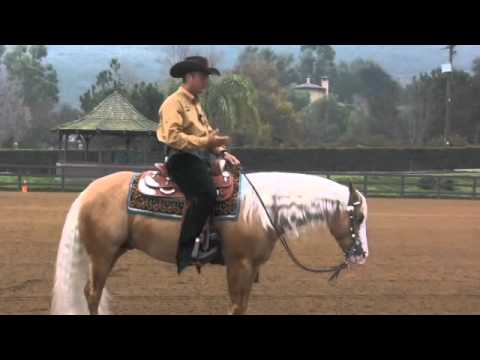
The lope stop follows the same logic. Clinton Anderson's training sessions with Titan show this progression in detail — building rundowns, establishing consistent stop cues, and gradually adding speed only as quality allows. The horse that stops correctly from a slow lope will stop correctly from a fast lope. The reverse is never true.
Adding Speed Responsibly
Speed is added only after quality is confirmed at the slower gait. This is the rule that separates trainers who build horses that last from trainers who burn horses out. Warwick Schiller's demonstration of bridleless sliding stops with Petey shows where this progression leads — a horse so confirmed in its stop that it needs no bit pressure whatsoever to execute the maneuver. That horse was not trained at speed. It was trained correctly at slow speeds until the stop was automatic, and the speed came naturally from confidence.
Watch & Learn


Ready to Put This Into Practice?
Work with a qualified reining trainer to apply these fundamentals correctly on your horse.