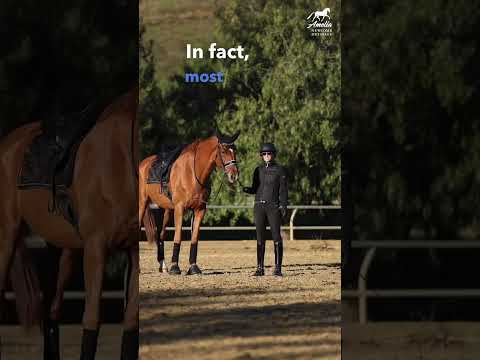
The connection between ground backup quality and collection under saddle is direct and anatomical — both require the horse to engage its hindquarters under its body, flex its hind joints, and shift weight rearward. The difference is that under saddle the horse must do this while carrying a rider and responding to rein and leg aids simultaneously, but the muscular pattern, the weight distribution, and the body posture are the same. A horse that backs with genuine engagement on the ground is practicing exactly the physical pattern that collected work under saddle requires.
The backup engages the hind joints — the hip, stifle, and hock — in flexion while simultaneously asking the horse to bring its hindquarters under its center of mass. This is the identical engagement that a half-pass, a collected canter, or a sliding stop requires. A horse that develops strong, flexible hind joints through consistent engaged backup work arrives at collection training with a physical preparation that horses without this foundation lack.
From a training perspective, the backup also develops the horse's understanding of rearward weight transfer as a response to rein pressure — the concept that increased rein contact means shift weight back and engage hindquarters rather than brace forward against the contact. This concept, thoroughly established through ground backup, transfers directly to the half-halt under saddle, which is the fundamental tool of collection riding.
Al Dunning's approach to developing collected Western performance horses explicitly includes ground backup work as a preparation for the elevated, engaged hindquarter posture that reining and cutting require. The horse that arrives at its first collection lessons having already learned to engage its hindquarters rearward from a light ground cue learns collected rein work faster and with less confusion than one for whom the concept of rearward engagement is entirely new.